Kathmandu, Nepal - Nepal’s tourism industry is facing a major setback during its crucial autumn trekking season as torrential rain, severe flooding and landslides have damaged infrastructure, disrupted transport links and triggered widespread cancellations. The disruption has been particularly severe in the Bhotekoshi-Trishuli corridor and parts of Rasuwa, Nuwakot, Dhading and Gorkha, while the effects of negative travel advisories and generalized perceptions of risk have spread far beyond the directly affected areas.
The timing is especially significant for Nepal’s tourism economy. September to November normally accounts for nearly 40% of the country’s annual international tourist arrivals, making the autumn months the backbone of the trekking and mountain tourism calendar. Following the August 26 Bhotekoshi disaster, tourism businesses in several destinations reported substantial cancellations, including reports of cancellations reaching around 80% at some properties.
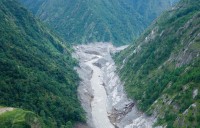
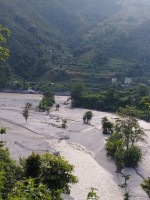
The physical damage is concentrated in particular areas. Flooding and landslides have severely affected roads, bridges, hotels, restaurants, trekking infrastructure and other tourism facilities. The road connection toward Syabrubesi and the Langtang area has been among the major access challenges, although the Trekking Agencies’ Association of Nepal (TAAN) has reported that several major trekking destinations themselves remain safe, with alternative access arrangements being considered or used in some areas.
The financial impact is already substantial. A preliminary assessment by the Nepal Tourism Board’s Quick Response Team put the tourism sector’s losses from the Bhotekoshi-Trishuli floods and subsequent landslides at approximately NPR 52.67 billion. The assessment covers tourism infrastructure, hotels and tourism businesses, transportation, trekking trails and tourist-management systems, with particularly significant impacts reported in Rasuwa, Nuwakot, Dhading and Gorkha.
At the same time, the disaster has created a second challenge for Nepal: the perception that the entire country has been affected. Tourism authorities and industry representatives have emphasized that the impacts are geographically uneven. Kathmandu, Pokhara, Chitwan, Lumbini and major tourism areas including the Everest and Annapurna regions have continued to operate, although travellers should check current road, trail and weather conditions before undertaking individual journeys.
In response, the government and tourism industry have promoted the #NepalCalling campaign to provide more accurate information to international travellers and distinguish affected destinations from areas that remain operational. TAAN has also been publishing trail and destination safety updates to help trekking agencies and visitors make informed decisions.
The situation highlights a broader lesson for Nepal’s tourism future. Recovery cannot depend only on repairing roads and reopening trekking trails. The preliminary tourism assessment has also emphasized the need for climate-resilient infrastructure, stronger early-warning systems, better tourist information and communication, expanded tourist-police services and stronger tourism insurance mechanisms.
For Nepal, the autumn tourism season is not simply a period of increased visitor arrivals. It supports thousands of guides, porters, hotel workers, transport operators, restaurants, local producers and communities across the country. Ensuring that visitors receive accurate, destination-specific and timely safety information is therefore essential-both to protect travellers and to prevent a localized natural disaster from becoming a nationwide tourism crisis.
As Nepal moves through an increasingly unpredictable climate, the current disruption underscores the need to build a tourism sector that is not only attractive and accessible, but also climate-resilient, risk-informed and capable of responding quickly to extreme weather events.
#EcosphereNews #NepalTourism #NepalCalling #ClimateChange #ClimateResilience #SustainableTourism #ResponsibleTourism #TrekkingInNepal #HimalayanTourism #AutumnTrekking #Floods #Landslides #ExtremeWeather #ClimateAdaptation #ResilientTourism #Langtang #Rasuwa #Everest #Annapurna #Pokhara #Chitwan #Nepal