Bogotá, Colombia | 11 August 2026
Colombia has declared a nationwide state of emergency after a powerful 7.4-magnitude earthquake struck the country’s western region on 10 August 2026, causing widespread destruction, significant loss of life, and major disruptions to infrastructure and public services.
According to Colombian authorities and international seismic monitoring agencies, the earthquake occurred at approximately 7:34 a.m. local time, with its epicenter located near San José del Palmar in Chocó Department, about 400 kilometers west of Bogotá. The tremor was felt across large parts of Colombia and in neighboring Ecuador, Panama, Venezuela, and Peru.
Casualties and Structural Damage
Official reports indicate that more than 110 people have been confirmed dead, while dozens have been injured. Rescue teams are continuing search-and-rescue operations in collapsed buildings and other affected areas, and authorities have warned that the casualty toll may increase as assessments continue.
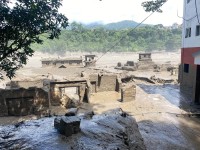
Preliminary damage assessments suggest that over 1,500 buildings have suffered damage, including residential homes, commercial structures, schools, and public facilities. At least 61 buildings have reportedly collapsed.
Worst-Hit Areas
The cities experiencing the most severe impacts include:
Cali
Pereira
Quibdó
Manizales
In Pereira, several multi-story structures collapsed, trapping residents under debris, while Cali experienced significant structural damage that prompted emergency evacuations from hospitals, apartment complexes, and public buildings.
Government Response
President Abelardo de la Espriella announced a national state of emergency, mobilizing military personnel, firefighters, medical teams, and disaster response units to support affected communities.
The Colombian government stated that its immediate priorities include:
Search-and-rescue operations
Emergency medical assistance
Temporary shelter for displaced families
Restoration of electricity, water supply, and communication networks
Structural inspections of critical infrastructure
Infrastructure and Transport Disruptions
Authorities have reported disruptions at several regional airports serving Cali, Pereira, Quibdó, Buenaventura, and Manizales, where operations were temporarily suspended or restricted while engineers conducted safety inspections.
Road connections in parts of Chocó and Valle del Cauca have also been affected by landslides and damaged bridges, complicating relief efforts.
Continued Aftershock Risk
Colombia’s geological and disaster management agencies have warned residents to remain cautious because strong aftershocks continue to occur. Emergency officials have advised people to avoid damaged structures until formal safety inspections are completed.
Regional and International Support
The earthquake is being described by seismologists as one of the strongest earthquakes to strike Colombia in the 21st century. Several Latin American countries have expressed solidarity and offered humanitarian assistance, while international partners, including the United States, have indicated their readiness to support relief operations.
Wider Impact
The disaster has also affected national activities beyond the immediate disaster zone. Colombian football authorities suspended domestic league fixtures, and CONMEBOL postponed continental football matches scheduled in the country as emergency operations continue.
Environmental and Humanitarian Concerns
Experts warn that the earthquake’s impact could extend beyond immediate structural damage. Western Colombia’s mountainous terrain is highly vulnerable to landslides, river blockages, and secondary flooding, particularly during the rainy season. Humanitarian agencies are closely monitoring conditions in remote communities where access remains difficult.
As rescue efforts continue, authorities have urged citizens to follow official emergency guidance, conserve communication networks for emergency use, and support relief operations for affected families across western Colombia.
Source: Colombian National Disaster Risk Management Unit (UNGRD), Colombian Geological Service, international seismic monitoring agencies, and official government statements.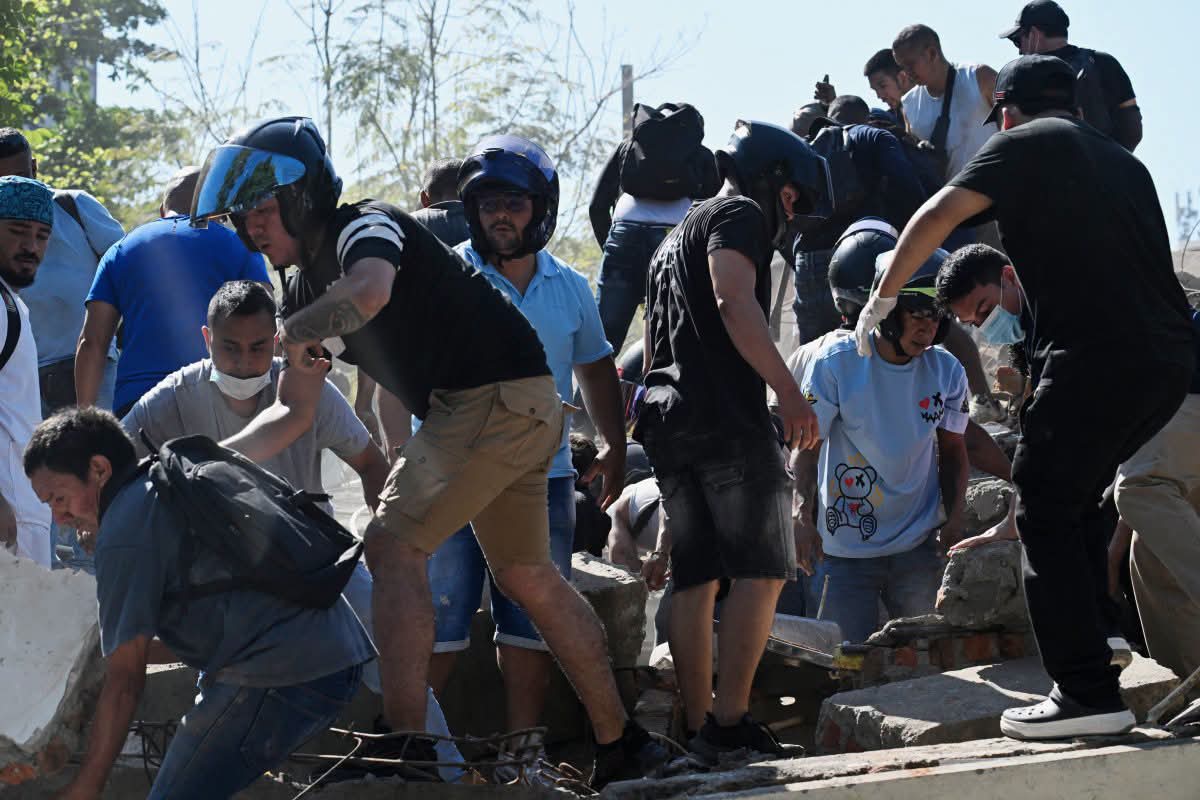
#ColombiaEarthquake #Earthquake #Choco #Cali #Pereira #DisasterResponse #SeismicEvent #ClimateAndResilience #EmergencyRelief #InfrastructureDamage #HumanitarianCrisis #LatinAmerica #EcosphereNews #GlobalNews #Resilience #NaturalDisaster #BreakingNews #SouthAmerica #DisasterManagement #EarthquakeResponse