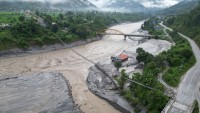
West Rukum, Nepal - The suspension bridge connecting Barah Takura in Khalanga (Musikot Municipality-1) with Salle (Ward No. 2) has become an important infrastructure link for residents of Khalanga Bazaar, the district headquarters of West Rukum.
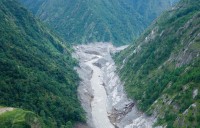
The bridge spans a deep green valley and provides a safer and more convenient route for local people travelling between the two settlements. It has significantly reduced travel difficulties, particularly during the monsoon season when roads and trails in the hilly region are often affected by rainfall and landslides.
Khalanga Bazaar serves as the administrative and commercial centre of West Rukum, and the bridge has helped improve access to government services, education, healthcare facilities, and local markets. Residents say the structure has strengthened social and economic connections between communities on both sides of the valley.
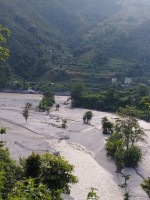
The surrounding landscape, with its terraced hills, dense vegetation, and dramatic mountain backdrop, also highlights the natural beauty of Karnali Province. Improved connectivity in such remote hill districts is considered essential for promoting sustainable rural development, tourism opportunities, and better public service delivery.
As Nepal continues to expand rural infrastructure, suspension bridges like the one linking Barah Takura and Salle remain vital lifelines for mountain communities, supporting mobility, local trade, and regional integration while preserving access across challenging terrain.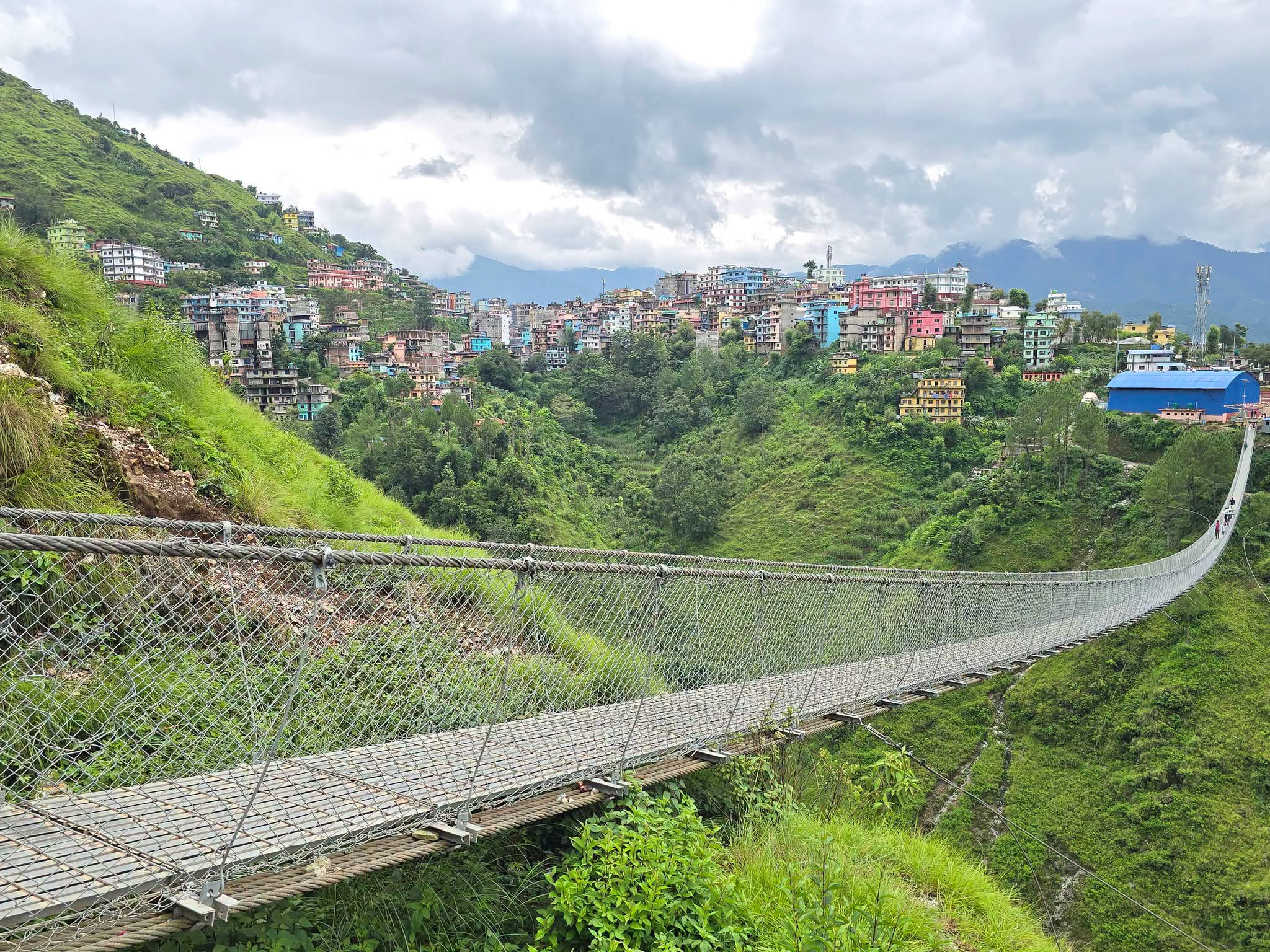 Photo: Khalanga Bazaar and the suspension bridge connecting Barah Takura and Salle in Musikot Municipality, West Rukum. Photo: Kuldeep Neupane
#EcosphereNews #WestRukum #KhalangaBazaar #MusikotMunicipality #SuspensionBridge #RuralConnectivity #KarnaliProvince #NepalInfrastructure #SustainableDevelopment #MountainCommunities #RuralDevelopment #NepalTourism #GreenHills #CommunityConnectivity