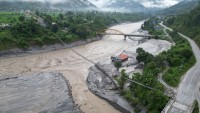
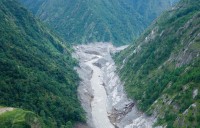
Colombo, 5 August 2026 - Sri Lankan authorities have temporarily closed schools in several parts of the country’s central hill region after intense monsoon rains triggered devastating floods and mudslides that have killed at least seven people, according to the Disaster Management Centre (DMC).
Officials said five people died when mudslides buried two houses in the central highlands, while two others drowned in floodwaters caused by continuous heavy rainfall. At least three people have been injured, and emergency teams are continuing rescue and relief operations in the affected districts.
The DMC reported that nearly 3,500 residents have been evacuated from vulnerable areas and moved to temporary shelters as a precaution against further landslides and flooding. Authorities have also confirmed that 291 houses have been damaged, with many families requiring immediate humanitarian assistance.
The worst-affected areas are located in Sri Lanka’s tea-growing central highlands, including parts of Kandy, Nuwara Eliya, Nawalapitiya and surrounding hill-country districts, where steep terrain becomes highly susceptible to landslides during periods of prolonged rainfall.
The government ordered the temporary closure of schools in the affected region due to concerns over unstable hillsides, flooded roads, fallen trees, damaged power lines and the continuing risk of additional mudslides. Local authorities have advised residents living near rivers, low-lying settlements and steep slopes to remain vigilant and follow evacuation instructions issued by disaster management officials.
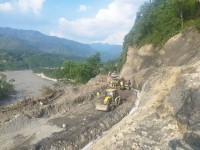
Sri Lanka’s army and navy personnel have been deployed to support search, rescue and evacuation efforts, while road-clearing operations are underway in several mountainous areas where mud and debris have blocked transportation routes.
Meteorological authorities have warned that heavy rainfall may continue in parts of the central and southwestern regions, raising concerns that the humanitarian situation could worsen if further flooding or slope failures occur.
Sri Lanka frequently experiences monsoon-related floods and landslides, particularly in its mountainous central provinces. The latest disaster highlights the growing need for improved early-warning systems, resilient infrastructure, watershed protection and climate-adaptive land-use planning in vulnerable hill-country communities.
Key Verified Figures
7 people killed
3 people injured
Nearly 3,500 residents evacuated
291 houses damaged
Schools temporarily closed in affected central highland districts
As rescue operations continue, Sri Lankan authorities have urged the public to prioritize safety and remain alert to official weather and disaster advisories.
Source: Sri Lanka Disaster Management Centre (DMC) and international agency reports.
#EcosphereNews #SriLanka #Floods #Mudslides #ClimateRisk #DisasterManagement #Monsoon #SouthAsia #FloodResponse #LandslideRisk #ClimateAdaptation #EnvironmentalNews #BreakingNews #ResilientCommunities #EarlyWarningSystems