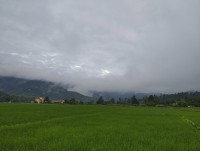
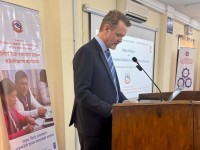
Kathmandu, July 2 - Local governments across Nepal have stepped up monsoon preparedness by convening meetings of their Local Disaster Management Committees (LDMCs) in line with the National Monsoon Preparedness and Response Action Plan 2026. The nationwide effort follows directives from the National Disaster Risk Reduction and Management Authority (NDRRMA) and the Ministry of Home Affairs to strengthen local disaster response mechanisms and reduce potential loss of life and property during the ongoing monsoon season.
All 753 municipalities and rural municipalities have been instructed to translate national preparedness strategies into immediate local actions, with an emphasis on rapid response, community coordination, and protection of vulnerable populations.
During the meetings, local governments have been directed to maintain heavy equipment and trained operators on standby at landslide-prone road sections to ensure swift clearance of blocked transportation routes. Authorities are also working to establish at least 15 days' worth of emergency food supplies, medicines, rescue equipment, and other essential relief materials in communities that could become isolated by floods and landslides.
In addition, local administrations are coordinating with security agencies to deploy rescue teams and trained divers at designated high-risk locations. District-level authorities have also been advised to regulate or temporarily suspend vehicle movement along dangerous roads, bridges, and river crossings during periods of intense rainfall to minimize accidents.
Kathmandu Metropolitan City has also strengthened its preparedness measures through detailed flood risk assessments. Municipal authorities have identified that more than 15 percent of buildings within the metropolitan area fall under high flood-risk zones. Based on these findings, ward-level disaster management committees have been instructed to implement location-specific emergency response plans, strengthen early warning systems, and improve coordination with local communities.
At the grassroots level, Ward Disaster Management Committees (WDMCs) are being reactivated to enhance community preparedness. These committees are establishing local early warning networks by utilizing community radio stations, temple loudspeakers, and neighborhood communication systems to disseminate timely weather forecasts and flood alerts to residents living in vulnerable areas.
According to current projections, the ongoing monsoon system could potentially affect around 226,661 people from 51,868 households across Nepal. Authorities believe that the effectiveness of local disaster preparedness and rapid response mechanisms will play a decisive role in minimizing human casualties, infrastructure damage, and economic losses throughout the monsoon season.
Disaster management experts have emphasized that close coordination among local governments, security agencies, community organizations, and residents will remain essential for ensuring timely evacuations, effective rescue operations, and efficient relief distribution if weather conditions worsen.
#EcosphereNews #Nepal #Monsoon2026 #DisasterPreparedness #DisasterRiskReduction #FloodPreparedness #LandslideRisk #LocalGovernment #EmergencyResponse #ClimateResilience #CommunitySafety #EarlyWarning #FloodRisk #NDRRMA #NepalMonsoon