Kathmandu, June 2026 - Inclusive slum upgrading has emerged as a critical strategy for creating resilient, sustainable, and equitable cities, according to recent guidance highlighted by the United Nations Human Settlements Programme (UN-Habitat). The approach emphasizes that improving informal settlements requires far more than physical infrastructure development; it demands community participation, social inclusion, economic empowerment, and climate resilience.
The roadmap presented by UN-Habitat identifies four interconnected pillars for successful slum upgrading: physical and infrastructure improvements, community-driven methodologies, socio-economic integration, and participatory planning and empowerment. Together, these elements aim to enhance living conditions while ensuring that vulnerable communities are actively involved in shaping their own development.
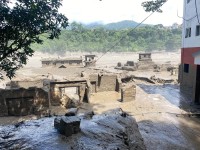
The framework recognizes that many informal settlements are situated in environmentally fragile locations that face growing threats from flooding, heatwaves, landslides, coastal erosion, and other climate-related hazards. Residents of these settlements often bear a disproportionate share of climate risks despite contributing minimally to global greenhouse gas emissions.
Experts emphasize that resilience cannot be achieved through housing and infrastructure projects alone. Investments become more effective and sustainable when local communities participate in decision-making processes, women and marginalized groups are meaningfully included, and economic opportunities are integrated into development initiatives.
The roadmap also highlights the importance of climate resilience measures, including vulnerability assessments, nature-based solutions, and integrated urban regeneration. These approaches help communities adapt to climate change while improving access to essential services, safer housing, and sustainable livelihoods.
As rapid urbanization continues across developing nations, including Nepal, the principles of inclusive slum upgrading are increasingly being recognized as essential for achieving sustainable development goals, reducing urban inequalities, and strengthening communities against future environmental and economic shocks.
Urban planners and development practitioners argue that empowering residents and fostering local leadership can transform informal settlements into safer, healthier, and more resilient neighborhoods, ultimately contributing to the creation of inclusive cities where no one is left behind.
#InclusiveCities #SlumUpgrading #ClimateResilience #UNHabitat #SustainableDevelopment #UrbanDevelopment #CommunityEmpowerment #ClimateAction #SocialInclusion #ResilientCities #NatureBasedSolutions #UrbanPlanning #EnvironmentalSustainability