Kathmandu - Polling stations across Nepal closed peacefully on Wednesday as citizens cast their votes to elect a new federal parliament, nearly six months after unprecedented youth-led protests shook the nation and forced the resignation of then Prime Minister KP Sharma Oli.
The protests, which erupted across major cities including Kathmandu, Pokhara, and Biratnagar, marked one of the most significant waves of civic mobilization in recent years. Triggered by public frustration over corruption, unemployment, and deepening economic hardship, the demonstrations led to violent clashes that claimed the lives of 77 people, according to official figures. The scale and intensity of the unrest signaled a turning point in Nepal’s contemporary political landscape.
A Nation at a Crossroads
With a population of nearly 30 million, Nepal stands strategically between two global powers - China and India. Despite its geopolitical importance and abundant natural resources, the country has struggled with chronic political instability for decades. Frequent changes in government, fragile coalitions, and governance challenges have slowed policy continuity and undermined long-term economic planning.
Nepal’s largely agrarian economy remains vulnerable to external shocks and domestic structural weaknesses. Youth unemployment continues to rise, pushing thousands of young Nepalis to seek foreign employment annually. Economists argue that remittance dependency, weak industrial growth, and limited investment in innovation have deepened the crisis.
Corruption allegations and governance inefficiencies further intensified public dissatisfaction in recent years. Transparency advocates and civil society groups have repeatedly called for institutional reforms, accountability mechanisms, and stronger democratic practices.
Youth Voice Shapes Political Narrative
The recent protests were largely organized and driven by young citizens who demanded systemic reforms rather than short-term political reshuffling. Observers note that the youth movement has reshaped electoral discourse, compelling political parties to address issues such as employment generation, digital governance, transparency, and constitutional accountability.
Political analysts say this election is not merely about forming a new government but about restoring public trust in democratic institutions. The voter turnout, particularly among first-time voters, is being closely monitored as a potential indicator of renewed civic engagement.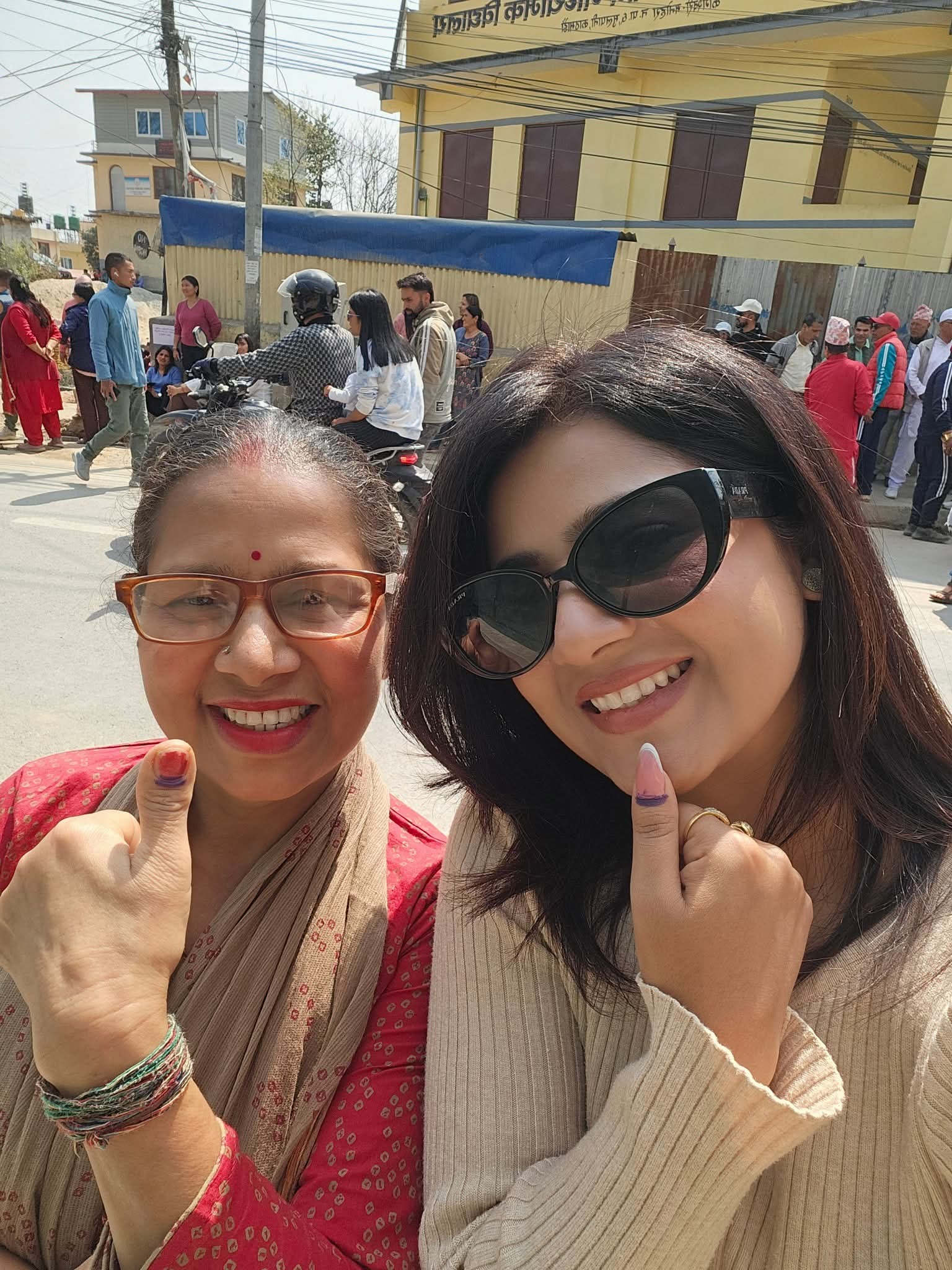
The Road Ahead
As vote counting begins, expectations remain high that the new parliament will prioritize structural reforms, economic diversification, anti-corruption measures, and youth-focused policies. However, experts caution that lasting stability will depend on political consensus and a commitment to institutional integrity.
Nepal’s democratic journey has often been marked by resilience amid upheaval. This election may determine whether the country can transition from a cycle of instability toward sustainable governance and inclusive development.
For many citizens, the message remains clear: political accountability and economic opportunity must define the next chapter of Nepal’s democracy.
#NepalElection #Nepal #Politics #Democracy #YouthProtests #Governance #EconomicReform