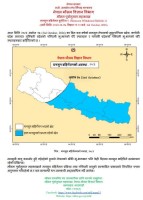
Sunsari/Udayapur, Nepal - Many people may not realize that Nepal is home to an island landscape within its own borders. Locally known as Shrilanka Island, this flat stretch of land is encircled by the main channel of the Sapta Koshi River and lies between Sunsari and Udayapur districts in eastern Nepal. Spread across five wards of the two districts, the island and its surrounding wetland ecosystem form a significant part of the Koshi Tappu region.
During winter, access to the island becomes relatively easier, with limited vehicle or foot access possible. For most of the year, however, residents and visitors rely on boats to cross the river. Around 3,000 families live within this river-bound landscape, maintaining livelihoods closely connected to agriculture, fishing, and natural resources.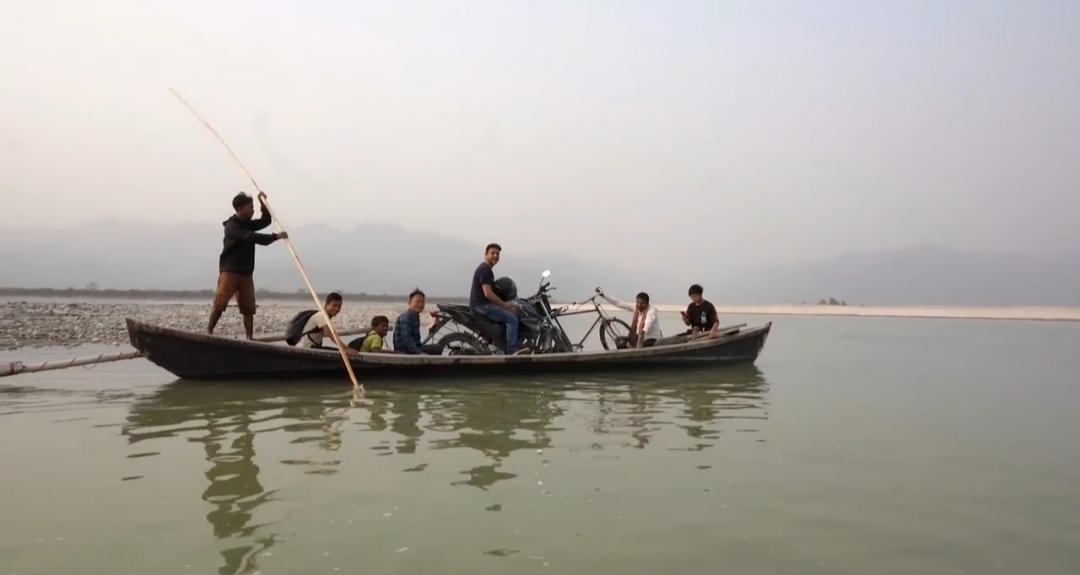
A Ramsar Wetland of International Importance
The broader Koshi Tappu area covers approximately 175 square kilometers, including riverine sections, grasslands, and wetlands. In 1987, it was designated as a Ramsar site, recognizing its international importance as a wetland ecosystem. It remains Nepal’s first large Ramsar-listed site and a vital conservation zone.
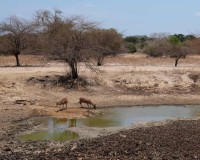
The reserve is globally renowned for its biodiversity. Nearly 500 species of birds have been recorded here, including migratory birds arriving from Siberia during winter. Rare and endangered species such as the wild water buffalo (Arna), Gangetic dolphin, and several species of vultures find refuge in this habitat. Other wildlife includes deer, nilgai (blue bull), wild boar, and pythons. The swamp francolin-considered rare globally-is also found in this region, adding to its ornithological significance.
The area even hosts a National Bird Festival, highlighting its importance as a birdwatching destination and conservation hotspot.
Community, Conservation, and Tourism Prospects
Beyond its ecological value, Koshi Tappu holds growing potential as a sustainable tourism destination. The vast Koshi Barrage, expansive reservoir, wetlands, and grasslands create opportunities for eco-tourism activities such as birdwatching, boating, rafting on the Sapta Koshi River, fishing, and nature photography. Adventure prospects like off-road biking on sandy riverbanks and water-based recreational activities are also being discussed as possible attractions, if managed responsibly.
A Tharu Community Homestay has already been established to cater to visitors exploring the reserve and nearby religious sites. This community-based tourism model offers cultural immersion while supporting local livelihoods.
Importantly, the region benefits from relatively easy road access from various parts of Nepal, positioning it as a potentially attractive destination for domestic and international tourists alike.
The “Uncut Diamond”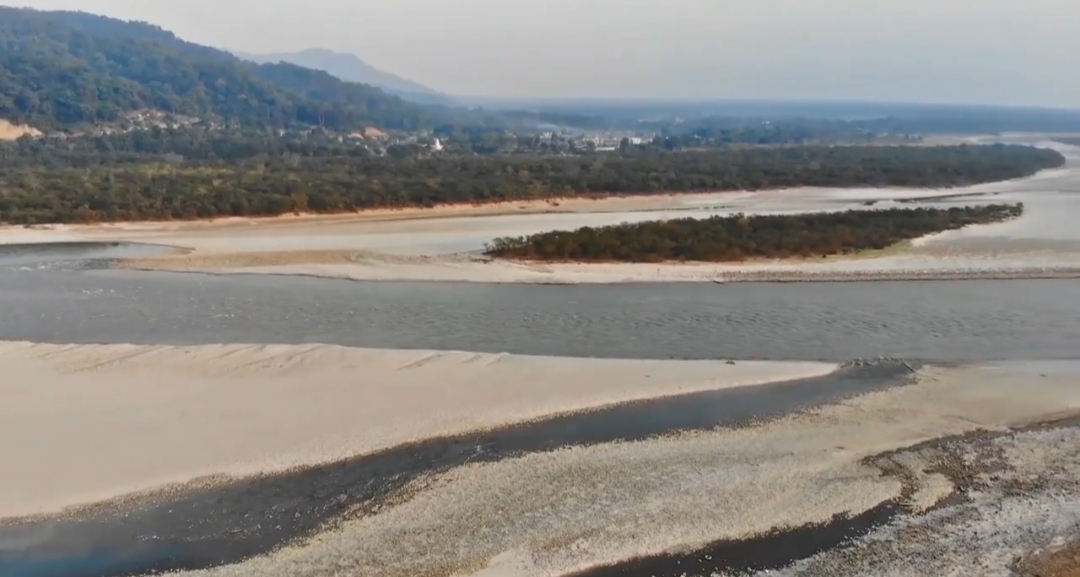
Despite its rich biodiversity and tourism potential, Koshi Tappu remains largely overlooked by mainstream travelers. Limited infrastructure development and policy constraints-particularly those linked to agreements surrounding the Koshi Barrage with India-have slowed broader tourism expansion in the region.
For conservationists and sustainable tourism advocates, Koshi Tappu represents an “uncut diamond”-a place where ecological preservation and responsible tourism development could go hand in hand. With strategic planning, improved infrastructure, and strong community participation, the region could emerge as one of Nepal’s most distinctive eco-tourism destinations.
Yet, when asked where to travel in Nepal, few immediately say, “Let’s go to Koshi Tappu.” That silence reflects both the challenge and the opportunity that lies ahead.
#KoshiTappu #WetlandConservation #RamsarSite #SustainableTourism #EcoTourismNepal #BirdWatching #WildlifeConservation #CommunityBasedTourism #EasternNepal #NatureBasedTourism