Kathmandu - As climate change intensifies floods, landslides, and environmental degradation across Nepal, Nature-Based Solutions (NbS) are increasingly being recognised as a practical, cost-effective, and sustainable response to the country’s growing environmental challenges.
Nature-Based Solutions refer to actions that protect, restore, and sustainably manage natural ecosystems to address societal problems such as climate change, disaster risks, food security, and water scarcity, while simultaneously supporting biodiversity and local livelihoods. Rather than relying solely on concrete structures and engineering-heavy interventions, NbS work with natural systems, using forests, wetlands, rivers, and vegetation as protective and productive assets.
A climate-resilient approach suited to Nepal
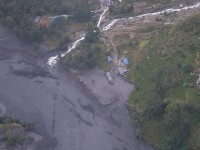
Nepal’s fragile geography, steep terrain, and monsoon-dependent climate make it highly vulnerable to landslides, floods, and soil erosion. In this context, NbS have emerged as particularly relevant. Experts note that these approaches not only reduce environmental risks but also deliver multiple benefits - from carbon sequestration and biodiversity conservation to income generation and community empowerment.
Unlike grey infrastructure, which often addresses a single problem, NbS offer long-term resilience by strengthening ecosystems that naturally regulate water, stabilize land, and absorb climate shocks.
Community forestry: Nepal’s flagship success
One of Nepal’s most widely recognised Nature-Based Solution success stories is its Community Forestry Programme. By transferring forest management rights to local Community Forest User Groups, Nepal has reversed decades of forest degradation.
Over the past three decades, forest cover in Nepal has increased significantly, biodiversity has improved, and local communities have benefited from forest-based income and social development activities. Community-managed forests have also played a critical role in carbon absorption and climate mitigation, positioning Nepal as a global example of people-centered conservation.
Green solutions for landslides and floods
In the hills and mountains, Nepal has increasingly adopted bio-engineering techniques to control landslides along rural roads and settlements. The use of bamboo, grasses, shrubs, and trees - often combined with minimal structural support -has proven effective in stabilizing slopes, reducing erosion, and lowering maintenance costs.
Similarly, in flood-prone areas of the Terai, riverbanks are being protected through vegetation-based river training, helping reduce erosion while safeguarding agricultural land and settlements.
Wetland restoration supporting ecosystems and livelihoods
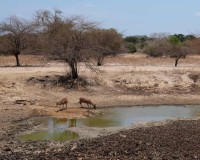
Wetlands such as Koshi Tappu and Ghodaghodi Lake demonstrate how NbS can balance conservation with livelihoods. Restoration and protection of wetlands have improved flood control, groundwater recharge, and biodiversity, while also supporting fishing, eco-tourism, and local income generation.
Growing relevance amid climate uncertainty
As Nepal faces increasing climate uncertainty, policymakers, development partners, and environmental experts are calling for greater integration of Nature-Based Solutions into national development planning. NbS are seen as particularly suitable for Nepal due to their low-cost nature, adaptability, and strong alignment with community participation.
Analysts argue that scaling up NbS could help Nepal meet its climate commitments while ensuring sustainable development that benefits both people and nature.
Looking ahead
Nature-Based Solutions are no longer viewed as optional or secondary interventions. In Nepal’s context, they are becoming essential tools for climate resilience, disaster risk reduction, and sustainable livelihoods. Nepal’s experience shows that when ecosystems are restored and communities are placed at the center of management, nature itself becomes one of the strongest allies in confronting the climate crisis.