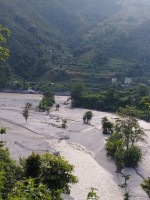
Sindhupalchok, Nepal - Climate change is no longer a distant environmental forecast - it is reshaping lives, cultures, and communities across Nepal. In the rugged terrains of Sindhupalchok district, along the banks of the Indrawati River, the Majhi community - historically river-dependent fisherfolk - stands at the frontline of these transformations.
For decades, the Majhi people have lived in intimate connection with the Indrawati, deriving livelihoods from fishing and riverine resources. But this way of life is rapidly unraveling.
From River Livelihoods to Rising Risk
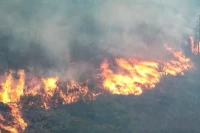
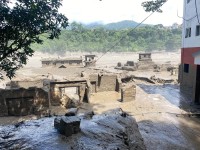
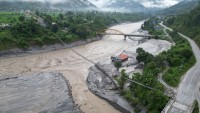
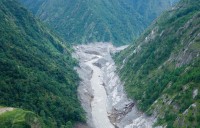
Recurrent floods and intense landslides - phenomena increasingly tied to climate variability - have repeatedly devastated villages in this region. With each extreme event, homes, agricultural land, and community spaces are lost or rendered unsafe. Many Majhi families have been forced to abandon ancestral settlements and seek refuge in temporary shelters, often without basic services or secure tenure.
These displacements are not just geographic - they are social and cultural ruptures. The river that has sustained their livelihoods for generations is now unsafe, unpredictable, and increasingly inaccessible.
Economic Hardship and Deepening Vulnerability
As traditional livelihoods disappear, Majhi families are pushed into precarious economic conditions. Without stable work or access to secure housing, many have taken up daily wage labor in informal sectors. This shift - from community-rooted livelihoods to casual labor - has exacerbated economic insecurity.
Long-term indebtedness is now widespread. Families are borrowing to meet basic needs, trapping themselves in cycles of debt. Social safety nets that might help buffer such shocks remain largely absent.
Climate Change as a Social Justice Issue
The story of the Majhi community highlights a critical truth: climate change is not just an environmental crisis - it is a profound social justice issue.
Marginalized groups - especially those with limited access to resources, services, and political representation - bear the brunt of climate impacts. While policymakers debate mitigation and adaptation strategies at the national level, the lived realities of frontline communities like the Majhi often go unheard.
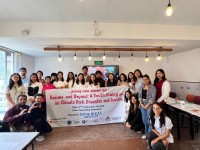
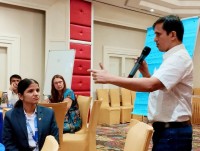
Ishwari Bhattarai, a migration analyst at the International Centre for Integrated Mountain Development (ICIMOD), emphasizes the need to center the voices of those most affected in climate adaptation planning. “If climate policies are developed without meaningful inclusion of vulnerable populations,” she argues, “the result will be policies that leave the most affected behind.”
Policy Gaps and the Path Forward
Experts say that current policy debates in Nepal lack sufficient focus on the intersectional impacts of climate change - particularly how caste, ethnicity, geography, and economic status shape vulnerability.
Inclusive, multidimensional policies are urgently needed. These should prioritize:
Climate-resilient housing and secure land tenure
Livelihood diversification that respects cultural traditions
Social protection systems for families displaced by climate events
Community-led adaptation planning
A Call for Climate Justice
The Majhi community’s experience is a stark reminder that climate impacts are lived realities - not statistics. To uphold the principle of “leaving no one behind,” climate action must look beyond emissions and physical landscapes to address the social fractures caused by environmental shifts.
As Nepal confronts the escalating impacts of climate change, the voices of marginalized communities must shape the solutions - or the promise of climate justice will remain unfulfilled.