Kathmandu - Untreated and inadequately treated wastewater remains a major global threat to water quality, ecosystems and public health, as population growth, urbanisation and increasing water demand continue to expand the volume of wastewater generated worldwide.
The latest evidence from the United Nations highlights a significant gap between wastewater generation and the capacity to safely manage, treat and reuse it. UN-Water reports that 42% of household wastewater globally was not safely treated in 2022, resulting in an estimated 113 billion cubic metres of household wastewater being released into the environment with inadequate or no treatment.
The challenge is particularly serious because reliable global data remain limited. Among countries reporting wastewater statistics for 2022, safely treated wastewater could be calculated for only 42 countries representing just 12% of the world's population. Industrial wastewater monitoring is even more limited: data from 22 countries showed that only 38% of industrial wastewater was treated and just 27% was safely treated.
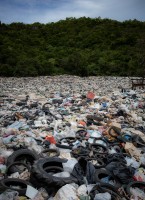
UN-Water says growing populations, urbanisation and economic development are increasing both the quantity of wastewater and its pollution load. Untreated household effluent, industrial discharges, agricultural pollutants and hazardous substances can contaminate rivers, lakes and groundwater, creating risks for ecosystems and human health.
Yet wastewater is increasingly being viewed not only as a pollution problem but also as an untapped resource. Properly treated wastewater can be safely reused for agriculture, industry and municipal purposes, while treatment systems can recover nutrients and generate biogas, heat and electricity. UN-Water estimates that the global potential for wastewater reuse is around 320 billion cubic metres annually.
The UN's wastewater agenda is closely linked to Sustainable Development Goal 6, which calls for countries to improve water quality, reduce pollution, halve the proportion of untreated wastewater and substantially increase recycling and safe reuse by 2030.
For a more resilient future, the evidence points toward greater investment in wastewater collection and treatment infrastructure, stronger monitoring, improved regulation, resource recovery and safe water reuse. Such measures can simultaneously support public health, water security, environmental protection and climate resilience.
The message is increasingly clear: wastewater should not simply be treated as waste—it can become an important resource in building a circular and water-secure future.
Source: UN-Water, Progress on Wastewater Treatment - 2024 Update and UN-Water global wastewater resources.
#EcosphereNews #Wastewater #WaterPollution #WaterSecurity #WaterAndSanitation #SDG6 #SustainableDevelopment #ClimateResilience #CircularEconomy #WaterReuse #PublicHealth #EnvironmentalSustainability #UNWater #CleanWater #GlobalWaterCrisis