Kathmandu, Nepal - Environment, climate change and development are no longer separate policy concerns. For Nepal, the stability of natural ecosystems and the ability to manage growing climate risks are increasingly determining whether economic growth, infrastructure development and improvements in human well-being can be sustained over the long term.
Nepal’s economy and communities depend heavily on healthy forests, reliable water resources, productive agricultural land and functioning ecosystems. At the same time, rising temperatures, changing rainfall patterns and increasingly severe floods, landslides and other climate-related hazards are placing growing pressure on infrastructure, livelihoods and development gains.
The connection is particularly important in a country where many communities remain dependent on climate-sensitive sectors such as agriculture, forestry, tourism and hydropower.
Climate Risks Threaten Development Gains
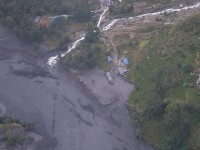
Climate change is increasingly creating risks for roads, bridges, hydropower projects, settlements and agricultural systems. Floods and landslides can destroy infrastructure within hours, while changing precipitation patterns and rising temperatures can affect agricultural productivity and water availability over much longer periods.
In the mountains, the accelerated melting of glaciers and the changing condition of high-altitude lakes create additional risks, including the potential for glacial lake outburst floods. These hazards demonstrate that climate change is not simply an environmental issue-it is a development and economic challenge.
The World Bank’s Country Climate and Development Report for Nepal has similarly highlighted the importance of integrating climate action into the country’s development pathway, particularly because climate impacts can undermine economic growth and poverty reduction.
Natural Resources Remain the Foundation of Economic Well-being
Economic development ultimately depends on functioning natural systems. Forests regulate water, protect soils and support biodiversity; rivers provide water and hydropower; and healthy agricultural landscapes sustain food production and rural livelihoods.
However, deforestation, pollution, increasing resource demand and other forms of environmental degradation can weaken these natural foundations.
Nepal also continues to face challenges associated with energy security, including increased dependence on imported energy during periods when domestic hydropower generation is constrained. Expanding renewable energy and improving energy efficiency therefore have implications not only for climate mitigation but also for economic resilience and energy security.
Climate Change Can Deepen Inequality
The impacts of environmental degradation and climate change are not distributed equally.
Low-income households, rural communities and people whose livelihoods depend directly on natural resources often have fewer financial resources, weaker infrastructure and limited social protection to recover from disasters.
A flood that destroys a road or agricultural field can therefore have consequences far beyond the immediate physical damage. It can interrupt education, healthcare, employment, food security and household income, potentially pushing already vulnerable families deeper into poverty.
Climate resilience must therefore be understood as an issue of both environmental sustainability and social justice.
Green Growth Offers a Way Forward
Nepal can strengthen the connection between environmental protection and economic development by pursuing a development model that combines climate resilience with low-carbon growth.
Expanding renewable energy, improving rural electrification, promoting energy-efficient technologies and supporting green enterprises can reduce emissions while creating opportunities for employment and local economic development.
Likewise, climate adaptation should become an integral part of infrastructure planning. Roads, bridges, hydropower facilities, settlements and urban systems need to be designed with future climate risks in mind rather than being rebuilt repeatedly after disasters.
Early warning systems, climate information services and community-based disaster preparedness can also help reduce loss of life and economic damage.
Policy Integration Is Essential
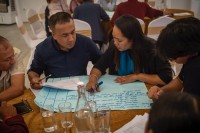
Addressing these interconnected challenges requires coordination across government, the private sector, scientific institutions, civil society and local communities.
Environmental sustainability cannot remain confined to environmental institutions. Climate risks need to be considered in decisions involving finance, infrastructure, agriculture, energy, tourism, urban development and social protection.
Institutions working on environment and climate policy, including the Center for Environment and Climate Change at the Institute for Integrated Development Studies, contribute to this broader effort by promoting research and policy dialogue on sustainability and climate-related development challenges.
The United Nations Development Programme in Nepal has likewise emphasized environmental sustainability, climate action and disaster resilience as important components of sustainable development.
Nepal’s Development Future Depends on Resilience
For Nepal, the central question is no longer whether climate change affects development. It is how effectively development planning can anticipate and manage those risks.
Protecting forests and watersheds, strengthening climate-resilient infrastructure, expanding clean energy, improving disaster preparedness and ensuring that vulnerable communities have access to adequate social protection will be critical to building a resilient economy.
Nepal has contributed relatively little to global greenhouse-gas emissions but faces significant exposure to climate-related risks. This reinforces the importance of climate justice while also highlighting the need for strong domestic action on adaptation, resilience and sustainable development.
The future of Nepal’s development will ultimately depend on its ability to recognize that environmental protection, climate resilience and economic progress are not competing objectives-they are mutually dependent.
A development model that protects natural systems, reduces climate risks and creates inclusive economic opportunities can help ensure that today’s development gains are not lost to tomorrow’s climate and environmental pressures.
Ecosphere News will continue to focus on the intersection of environment, climate change, development, sustainability and climate justice in Nepal and around the world.
#EcosphereNews #ClimateChange #ClimateAction #ClimateJustice #SustainableDevelopment #Environment #Nepal #ClimateResilience #GreenGrowth #RenewableEnergy #DisasterRiskReduction #Sustainability #EnvironmentalProtection #NepalClimate #ResilientNepal