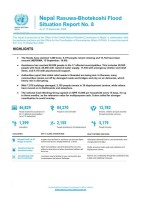
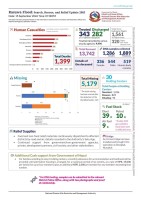
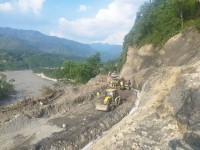
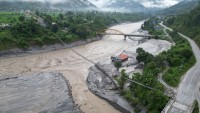
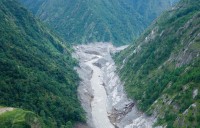
Kathmandu, August 4, 2026 - Nepal’s monsoon season has caused significant human and economic losses, with 196 people confirmed dead and four others still missing in 4,053 disaster-related incidents recorded between April 14 and August 2, according to data from the Ministry of Home Affairs.
While floods and landslides continue to receive major government attention, official figures reveal an unexpected trend this year: snakebite has become the leading cause of disaster-related deaths during the current monsoon season.
Government records show that 54 people have died and 668 others have been injured in 716 snakebite incidents across the country. The data indicate that snakebite fatalities have surpassed deaths caused by other monsoon hazards, highlighting a growing public health concern, particularly in Nepal’s Terai and other lowland regions where encounters with venomous snakes become more common during the rainy season.
Lightning has emerged as the second deadliest hazard, causing 25 deaths and 132 injuries in 231 incidents during the same period.
Need for Broader Disaster Awareness
Disaster experts say the latest figures demonstrate the need to expand public awareness campaigns beyond the traditional focus on floods and landslides. Health authorities emphasize that prompt administration of anti-snake venom remains the only effective treatment for venomous snakebites, making it essential for health posts, primary health centers, and hospitals to maintain adequate stocks of antivenom and emergency supplies.
Officials are also urging farmers, construction workers, and others engaged in outdoor activities to take extra precautions during thunderstorms. People are advised to seek safe shelter immediately when lightning is observed or thunder is heard, as many lightning-related deaths occur while individuals are working in open fields.
Strengthening Preparedness
The Ministry’s data underline that monsoon disasters in Nepal are not limited to flooding and landslides alone. Snakebites, lightning strikes, and other weather-related hazards continue to claim lives that could potentially be prevented through timely medical treatment, improved preparedness, and stronger community awareness programs.
As the monsoon season continues, authorities are calling for coordinated action among local governments, health institutions, disaster management agencies, and community organizations to reduce preventable deaths and strengthen resilience against multiple monsoon-related hazards.
Source: Ministry of Home Affairs, Nepal (April 14-August 2, 2026)
#EcosphereNews #NepalMonsoon #SnakebiteAwareness #DisasterRiskReduction #LightningSafety #Monsoon2026 #PublicHealth #ClimateResilience #DisasterPreparedness #NepalNews #FloodsAndLandslides #CommunityAwareness #EmergencyPreparedness #SouthAsia #EnvironmentalHealth