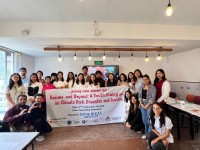
Kathmandu, Nepal - As sustainability requirements in global trade continue to evolve, Nepal’s textile and ready-made garment industry is taking steps to strengthen its competitiveness in international markets. A three-day workshop titled “Advancing Eco-design for Circularity in the Textile and Clothing Industry” was organized from Jestha 25 to 27, 2083, with support from the International Trade Centre (ITC) and industry stakeholders.
The workshop focused on emerging sustainability standards required for access to the European Union (EU) market, their implications for exporters, and strategies to build the capacity of Nepal’s textile and clothing sector. The event aimed to help businesses better understand and adapt to increasingly stringent environmental and circular economy requirements being introduced by the EU, including eco-design principles, product sustainability standards, and transparency measures across supply chains. These regulatory changes are expected to play a significant role in determining future market access for textile exporters worldwide.
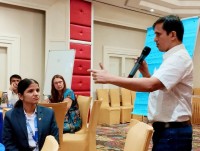
Delivering the welcome address, Pashupati Dev Pandey, President of the association, emphasized that the rapidly evolving sustainability regulations in the European market present both challenges and opportunities for Nepalese manufacturers. He noted that gaining practical knowledge and skills on these new standards is essential for safeguarding businesses and enhancing their competitiveness in international trade.
Dr. Vidur Ghimire, Consultant at ITC, highlighted the objectives of the workshop and stressed that Nepal’s ready-made garment sector has significant opportunities to benefit from the European market by aligning with emerging sustainability and circularity requirements.
Representing the European Union, Mim Hamal stated that the initiative would support Nepal’s garment industry in preparing for future trade challenges, particularly in the context of Nepal’s upcoming graduation from the category of Least Developed Countries (LDCs). He reaffirmed the EU’s commitment to supporting Nepal’s transition and export sector.
The workshop also featured a presentation by Ms. Ellie Parker from the United Kingdom’s Foreign, Commonwealth & Development Office (FCDO), who provided insights into the opportunities available under the UK’s Developing Countries Trading Scheme (DCTS), a preferential trade framework that will continue to offer benefits to eligible developing countries after LDC graduation.
The technical sessions were led by ITC experts Ms. Olivia and Ms. Srimala Perera, with facilitation support from textile engineer Prakash Jha. Participants included representatives from government agencies, academic institutions such as Namuna Fashion College, industry associations, and entrepreneurs involved in Nepal’s textile and ready-made garment sector.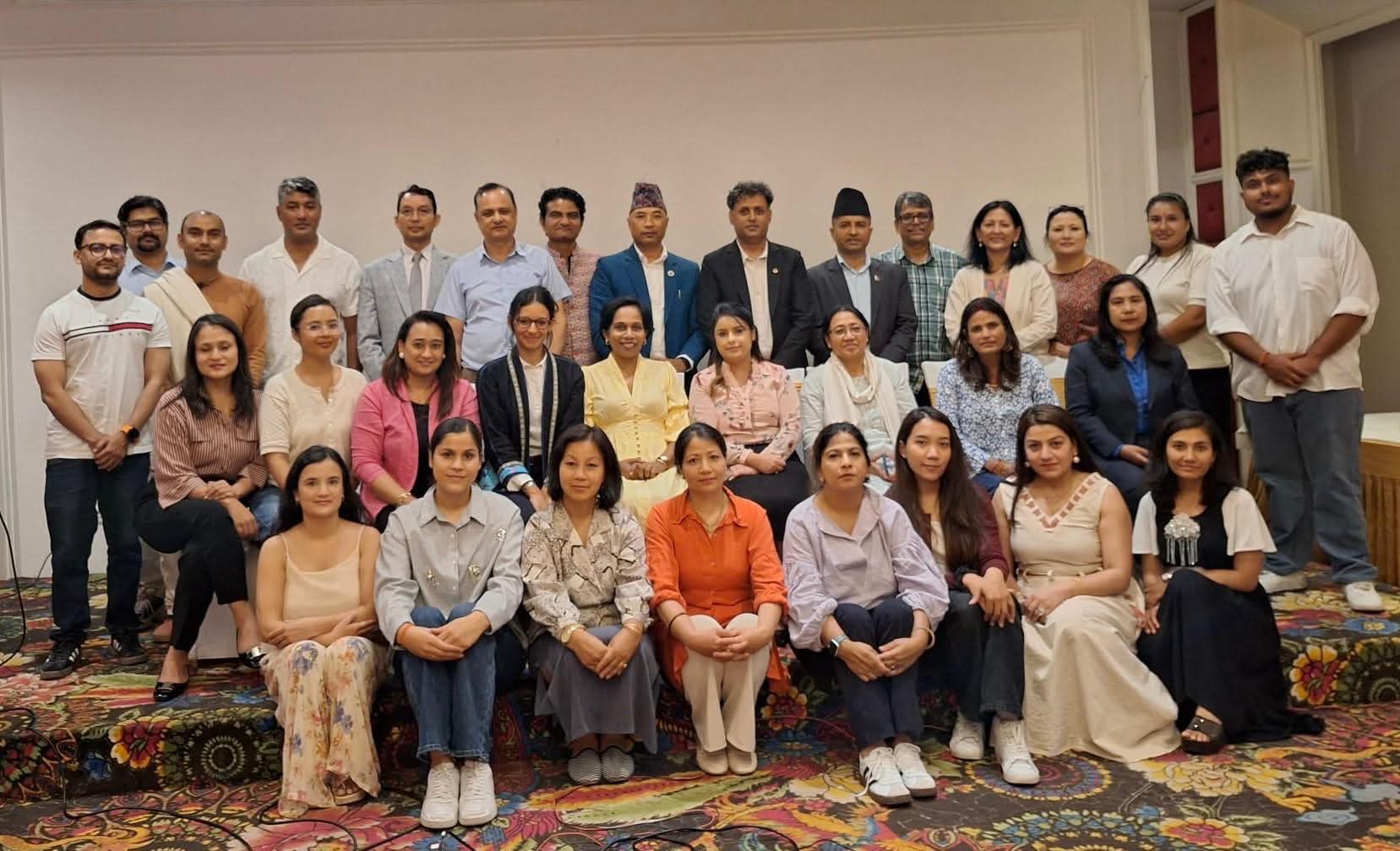 The workshop reflects growing efforts to position Nepal’s textile and apparel industry within the global shift toward sustainable and circular production systems. As international markets increasingly prioritize environmentally responsible products, industry experts believe that adopting eco-design and circular economy principles will be crucial for maintaining export competitiveness and accessing high-value markets.
#EcosphereNews #NepalTextileIndustry #SustainableFashion #CircularEconomy #EcoDesign #ReadyMadeGarments #ITC #EuropeanUnion #TextileExports #Sustainability #GreenTrade #NepalIndustry #LDCGraduation #DCTS #TextileInnovation