Kathmandu, December 15 - The Nepal Inclusive Education Summit 2025 was held today at Alfa House, Kathmandu, bringing together policymakers, educators, researchers, disability rights organizations, parents, and private sector representatives to critically examine the current state of inclusive education in Nepal and chart a way forward.
Organized by Inclusive Education Nepal (IEN), the one-day summit served as a national platform to reflect on progress made so far, identify persistent barriers, and collectively explore realistic and sustainable solutions to ensure education is accessible to all learners, including children and youth with disabilities.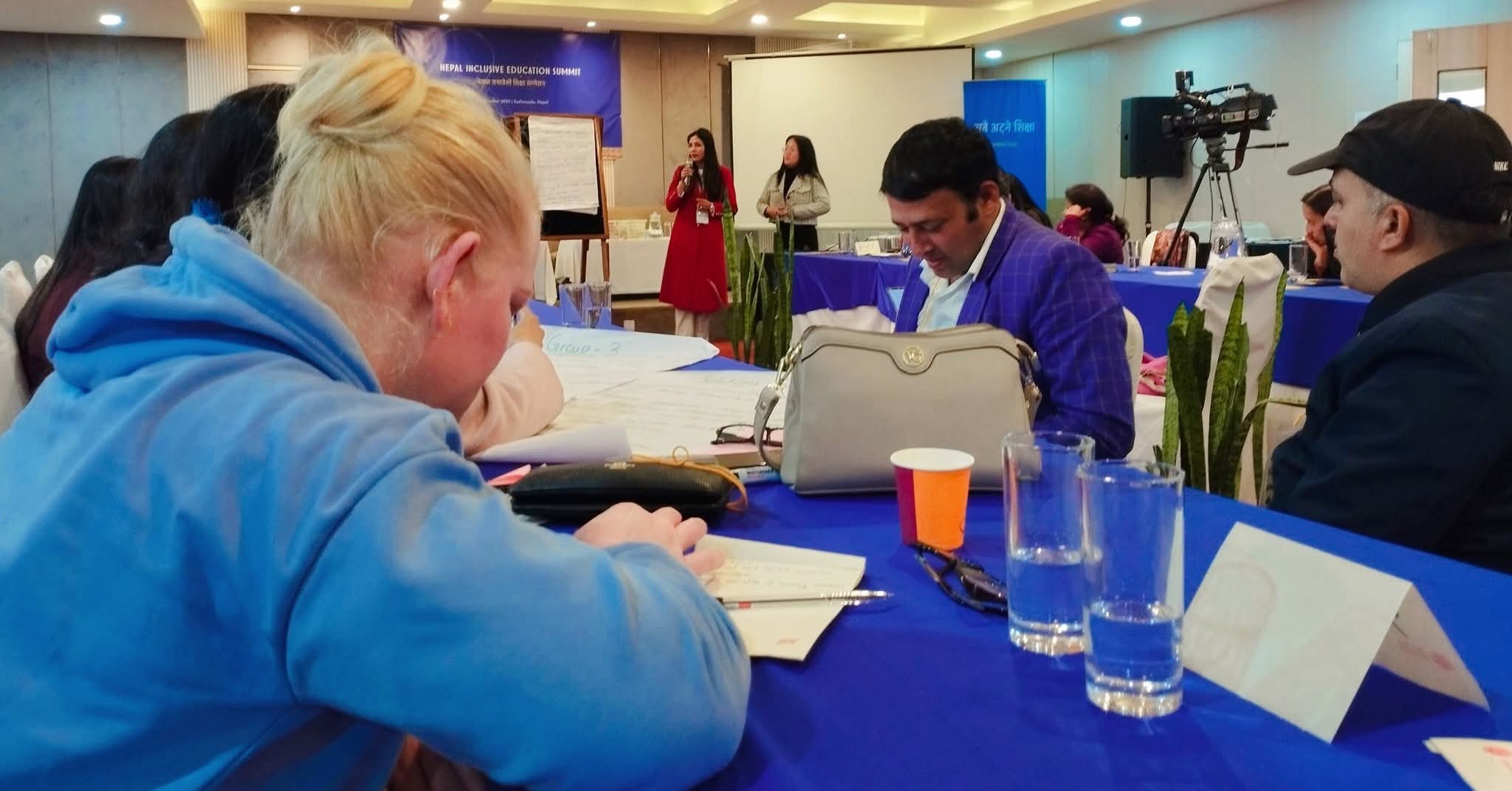
The summit began with participant registration followed by a welcome session where organizers outlined the background and objectives of the event. In the first technical session, experts from Inclusive Education Nepal (IEN), the Centre for Education and Human Resource Development (CEHRD), and the National Federation of the Disabled Nepal (NFDN) presented an overview of the current state of inclusive education in Nepal. The presentations highlighted policy commitments, ongoing initiatives, and gaps between policy provisions and on-ground implementation.
A major focus of the summit was the Stakeholders’ Dialogue on identifying barriers to inclusive education, conducted through interactive discussions. Participants representing government bodies, teachers and school leaders, universities and researchers, organizations of persons with disabilities, parents, and private sector employers shared their experiences and concerns. Key challenges raised included limited teacher preparedness, inadequate learning infrastructure, insufficient assistive resources, weak coordination among institutions, and socio-cultural attitudes that continue to marginalize learners with disabilities.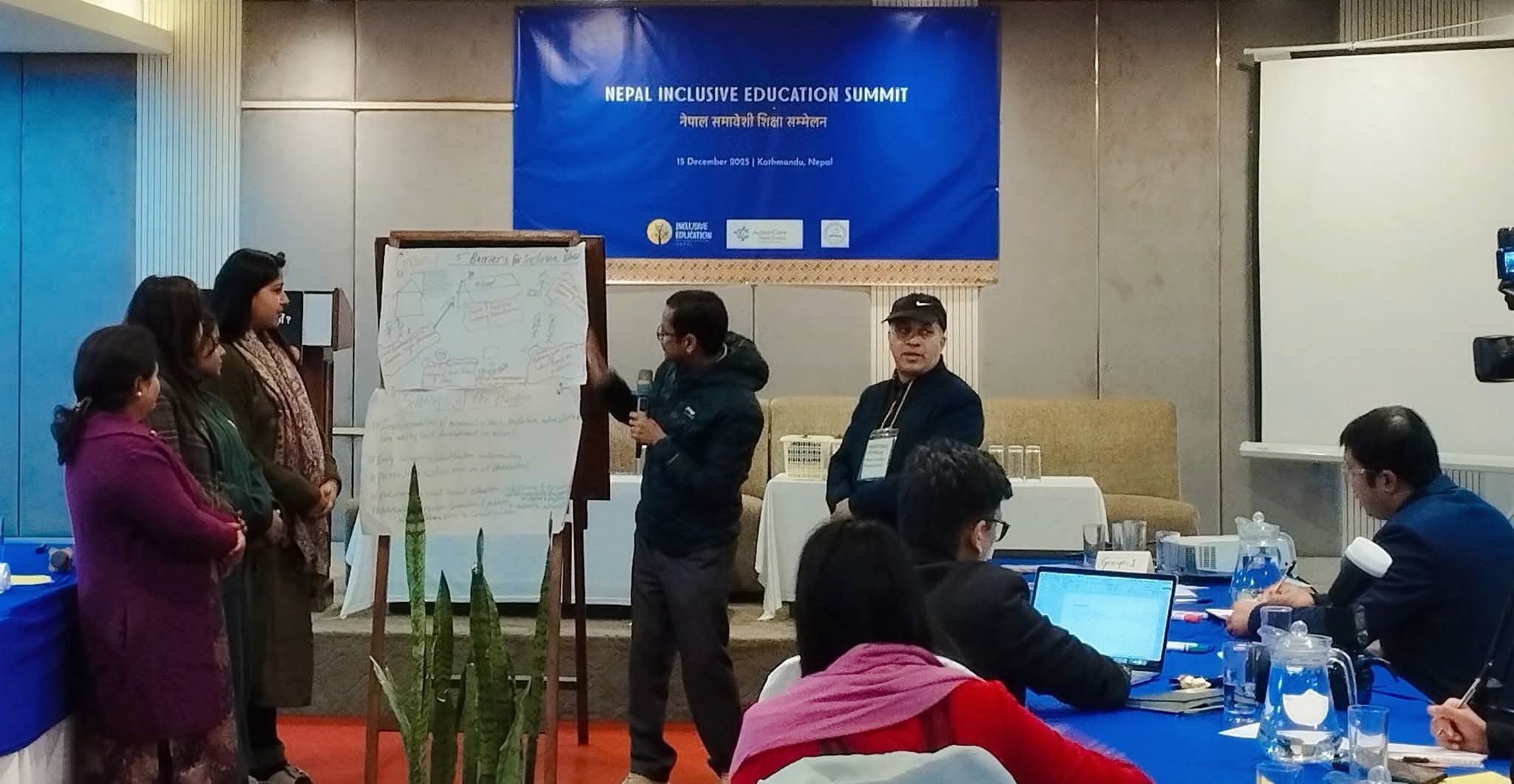
Following lunch, the discussions shifted towards finding solutions, with thematic facilitators guiding stakeholders to propose actionable recommendations. Emphasis was placed on strengthening teacher training, improving data-driven planning, ensuring accessibility in educational institutions, fostering inter-sectoral collaboration, and enhancing the role of local governments in implementing inclusive education policies.
The summit concluded with a joint reflection and closing session led by IEN, CEHRD, and NFDN, reaffirming the need for sustained dialogue, shared responsibility, and evidence-based action. Speakers stressed that inclusive education should not remain a policy aspiration alone but must translate into everyday practice in classrooms and communities across Nepal.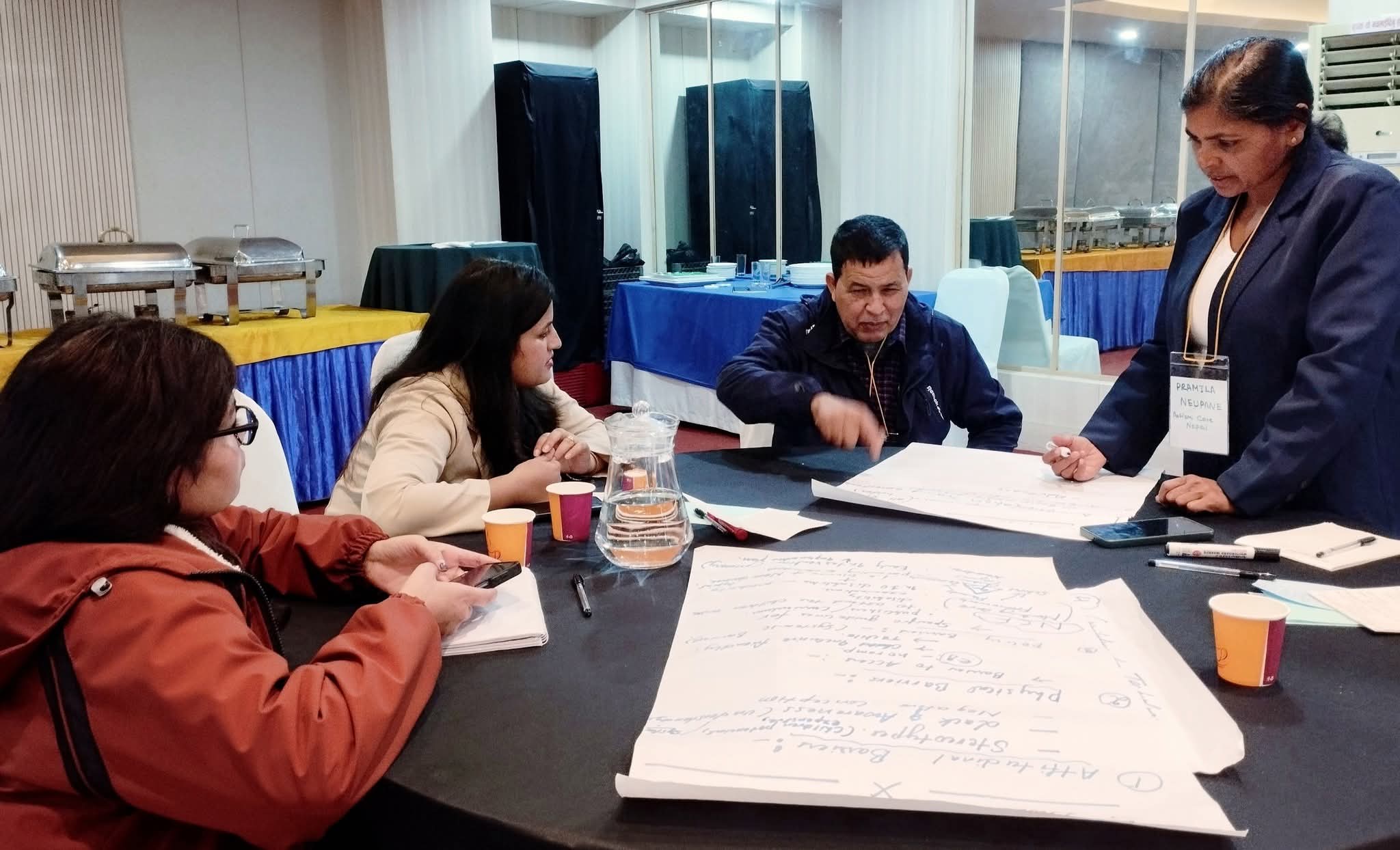
The organizers expressed hope that the outcomes of the summit would contribute to more coordinated efforts among stakeholders and support Nepal’s long-term commitment to equitable and inclusive education for all.