Kathmandu December 5, 2025
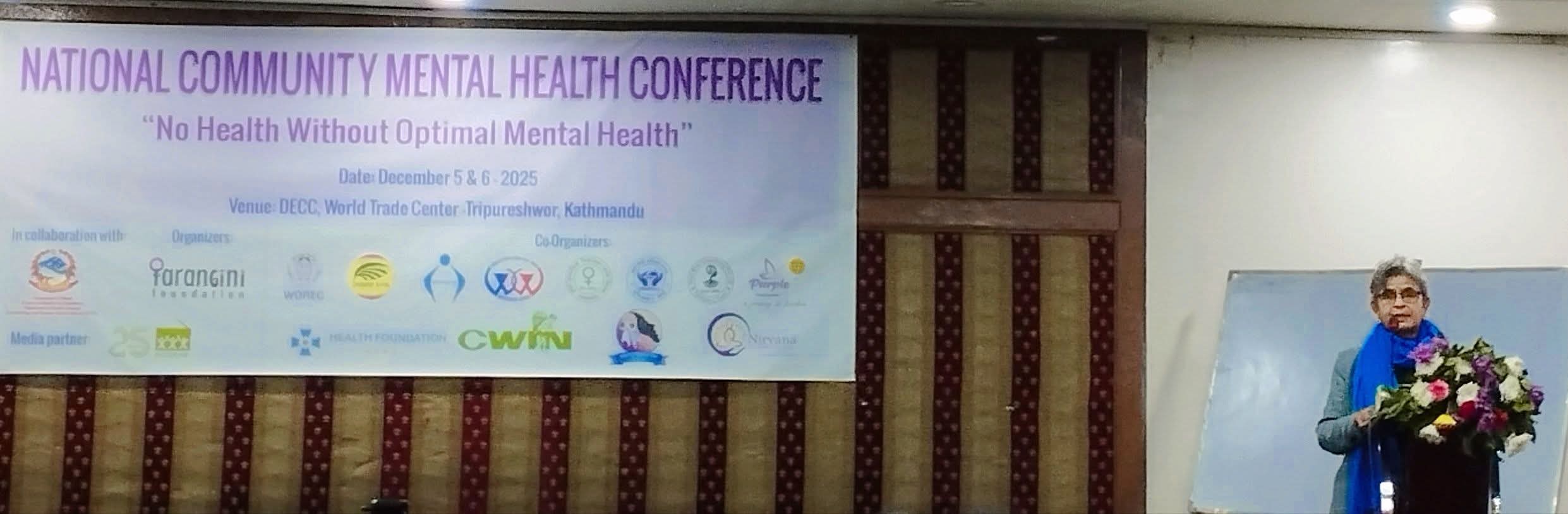
The National Community Mental Health Conference officially commenced today in Kathmandu under the compelling theme “No Health Without Optimal Mental Health,” reaffirming the growing recognition that mental wellbeing is inseparable from overall public health in Nepal.
The inaugural session was addressed by Dr. Sudha Sharma, Minister for Health and Population, who highlighted the urgency of integrating mental health into primary healthcare and policy frameworks. She stressed that mental health must no longer remain a peripheral issue but should be treated as a national priority, particularly in the context of social inequality, changing family structures, and increasing psychosocial stressors.
The opening session also featured Dr. Khaled Hassine, ESCR Expert at the Office of the High Commissioner for Human Rights (OHCHR), who underscored mental health as a fundamental human rights issue. He emphasized that community-based mental health systems and rights-based approaches are essential to ensure accessible, inclusive, and non-discriminatory care, especially for marginalized populations.
The two-day conference has brought together a diverse group of national and international mental health professionals, policymakers, civil society organizations, students, and development partners, creating a platform for dialogue, evidence-sharing, and collaborative learning. Special attention is being given to children and adolescent mental health, recognizing the long-term social and economic consequences of neglecting mental wellbeing during early and transitional stages of life.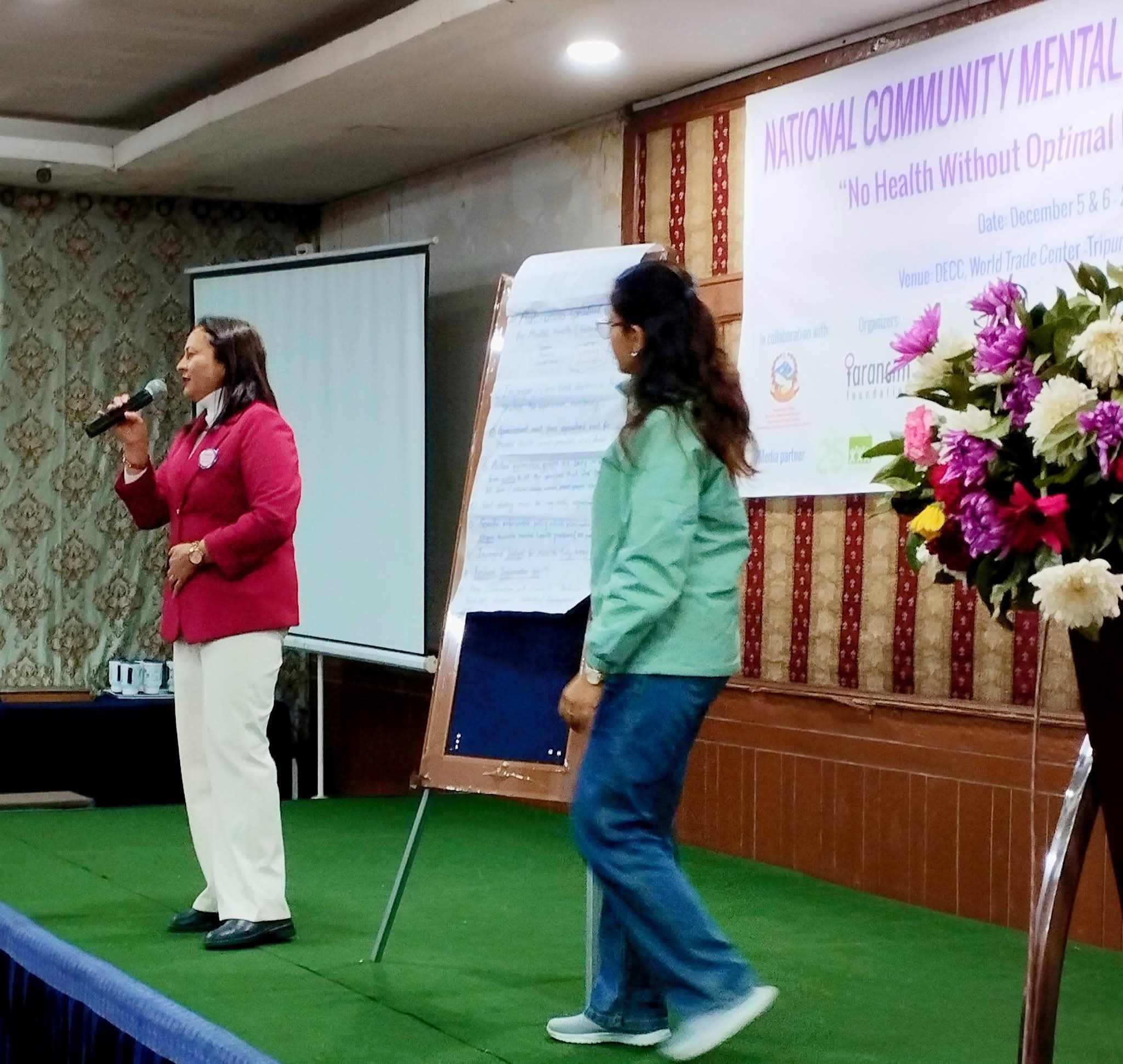
CWIN Nepal, as a co-organizer, reaffirmed its commitment to advancing mental health services that are sensitive to the needs of children and adolescents. The event is jointly organized by the Tarangini Foundation, in collaboration with the Ministry of Health and Population, reflecting a strong partnership between civil society and the government to strengthen community-level mental health systems.
Sessions throughout the conference will focus on bridging policy and practice, reducing stigma, strengthening local service delivery, and embedding mental health within broader health, education, and social protection systems. Participants emphasized that sustainable progress will require long-term investment, trained human resources, and strong coordination between government institutions and community organizations.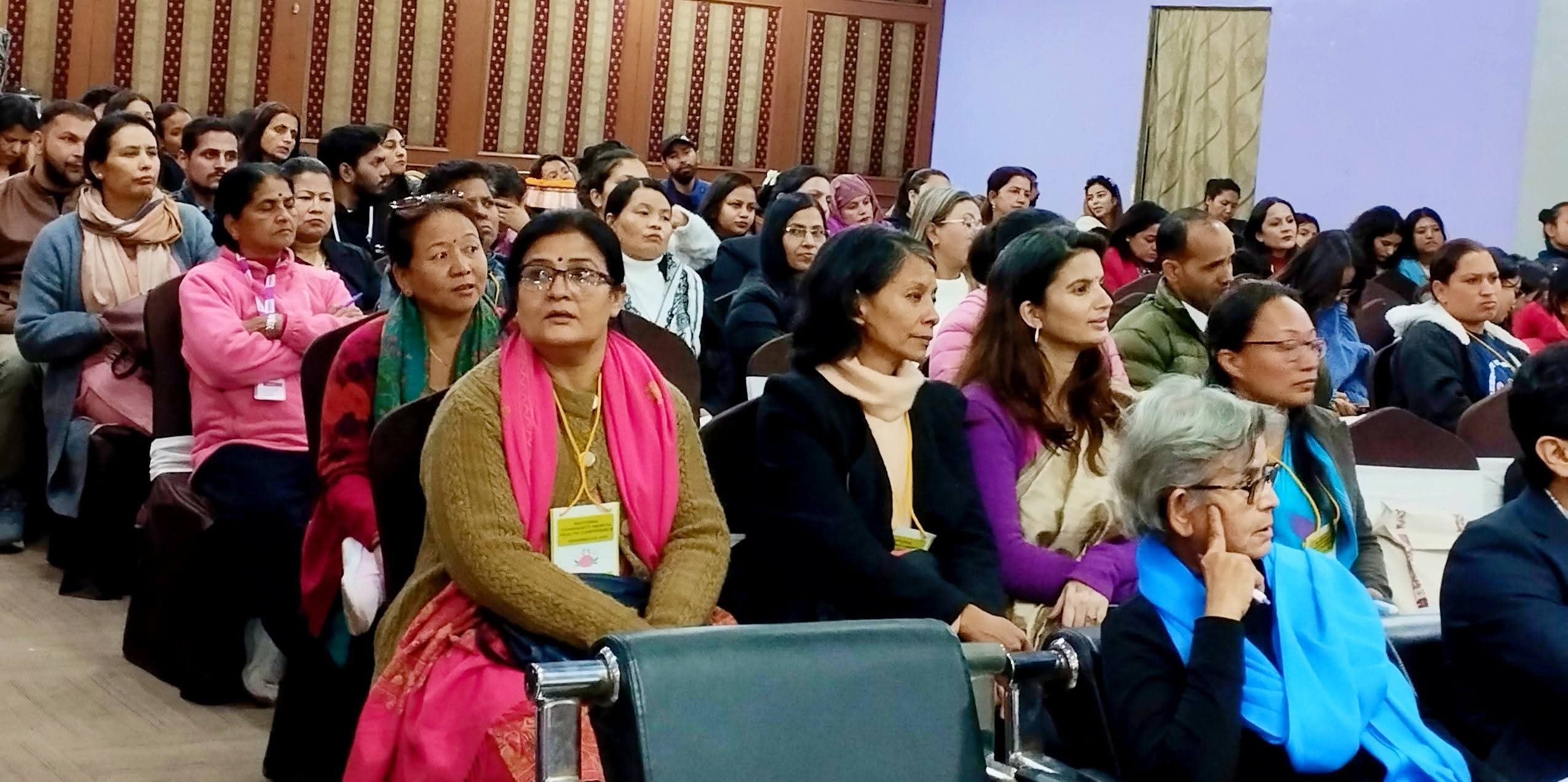
The National Community Mental Health Conference marks an important milestone in Nepal’s mental health discourse-signaling a collective shift toward inclusive, community-driven, and rights-based mental healthcare, while reinforcing the message that there can be no sustainable development without mental wellbeing for all.