Kathmandu - September 1, 2026: The death toll from the catastrophic Himalayan flash flooding along the Nepal-Tibet border has surpassed 950, while thousands of people remain missing as rescue teams race against time to reach survivors trapped beneath debris and inside damaged hydropower tunnels.
The disaster, triggered by a massive glacial and mountain collapse that unleashed a destructive torrent of water, ice, rock and debris, has devastated communities and infrastructure across northern Nepal and neighbouring Tibet.
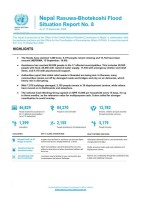
According to the latest figures reported from Nepal, the National Disaster Risk Reduction and Management Authority (NDRRMA) has confirmed 939 deaths in Nepal, with 3,925 people still missing. The missing include Nepali citizens, hydropower workers, local residents, trekkers and foreign nationals.
On the Tibetan side, Chinese authorities have reported 16 deaths and 546 people missing, bringing the combined death toll to more than 950 and the total number of missing people to well over 4,400.
The catastrophe has become one of the deadliest recent disasters in the Himalayan region.
Hydropower Workers Trapped as Rescue Race Intensifies
One of the most urgent challenges facing rescuers is reaching hundreds of workers feared trapped in tunnels and underground facilities connected to hydropower projects in Nepal's severely affected mountain districts.
Rescue teams have been drilling access routes and supply passages through enormous volumes of mud, rock and debris. Nepalese security forces and technical teams have been working alongside international specialists to reach isolated tunnel networks where survivors may still be trapped.
International assistance has focused particularly on highly specialised operations, including deep-tunnel rescue, forensic identification and DNA testing of unidentified bodies.
Indian teams have provided specialised technical support, while Chinese rescue specialists have also been involved in efforts connected to the disaster zone. International humanitarian assistance is continuing to arrive as Nepal confronts an unprecedented rescue and recovery operation.
Entire Communities and Infrastructure Swept Away
The flash flood tore through steep Himalayan valleys with extraordinary force, destroying settlements, roads, bridges and major infrastructure.
Hydropower facilities were severely damaged, while critical transport and border infrastructure in the Rasuwagadhi-Gyirong corridor was devastated.
The disaster also destroyed or damaged roads and bridges that are essential for connecting remote Himalayan communities and maintaining cross-border trade and transportation.
Earlier assessments showed extensive destruction of motorable and suspension bridges, as well as significant sections of road infrastructure and hydropower facilities.
Bodies Recovered Far Downstream
The powerful floodwaters carried bodies and debris far downstream through Nepal's river systems.
Authorities have faced an enormous challenge identifying victims, particularly as many recovered bodies are severely decomposed or unrecognisable. DNA samples are being collected to support future identification efforts.
Reports have also indicated that bodies believed to be connected to the disaster have been recovered downstream, including beyond Nepal's borders.
The scale of the recovery operation has forced authorities to seek specialised international support for DNA identification, body preservation and forensic management.
Fresh Threat of Secondary Flooding
Even as rescue operations continue, authorities remain concerned about the possibility of further flooding.
Debris and landslides have created unstable barrier lakes upstream, raising fears that additional collapses or sudden releases of water could trigger new floods downstream.
Officials have warned that flood risks could continue until unstable water bodies and debris blockages in the upper Himalayan catchments are safely drained or stabilised.
Communities downstream remain on alert as authorities monitor changing conditions in the fragile mountain landscape.
Information Restrictions Raise Questions
The disaster has also drawn international attention to the limited flow of independent information from Tibet, one of China's most tightly controlled regions.
International media organisations and observers have reported difficulties obtaining independent footage and detailed local accounts from affected areas on the Chinese side of the border.
However, specific allegations regarding censorship, arrests or the removal of particular videos should be independently verified before being treated as confirmed facts.
A Himalayan Warning
Beyond the immediate humanitarian catastrophe, the Nepal-Tibet disaster has renewed urgent questions about the growing vulnerability of Himalayan communities and infrastructure.
Scientists and disaster experts have repeatedly warned that warming temperatures, glacier instability, landslides and the expansion of potentially dangerous glacial and debris-dammed lakes are increasing risks across the Himalayas.
The scale of this disaster highlights the urgent need for stronger cross-border early-warning systems, real-time information sharing, glacier monitoring, disaster-resilient infrastructure and coordinated Himalayan climate action.
As rescue teams continue searching through devastated valleys and blocked tunnels, thousands of families remain desperately waiting for news of missing relatives.
For Nepal and the wider Himalayan region, the catastrophe is not only a humanitarian tragedy-it is also a stark warning about the escalating risks facing some of the world's most fragile mountain ecosystems.
The search continues. The missing remain unaccounted for. And the danger is not yet over.
#NepalFloods #HimalayanDisaster #BhotekoshiFlood #TrishuliFlood #NepalTibetBorder #ClimateCrisis #GlacierCollapse #FlashFlood #Himalayas #DisasterResponse #SearchAndRescue #Hydropower #EarlyWarning #ClimateChange #EcosphereNews