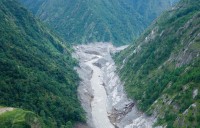
Kathmandu, Nepal - September 30, 2026: Nepal is once again facing widespread weather-related hazards as heavy and continuous rainfall triggers floods, landslides, avalanches, windstorms and thunderstorms across several parts of the country, even as communities continue to recover from the devastating floods and other disasters of last month.
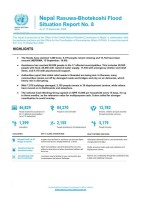
According to Nepal’s Disaster Risk Reduction and Management Authority (NDRRMA), more than 200 disaster incidents have been reported across various districts in connection with the latest spell of severe weather. The incidents have caused loss of life and damage to homes, livelihoods, infrastructure and other property.
The current weather system is associated with a low-pressure system over the Bay of Bengal, which has contributed to persistent rainfall over Nepal. Authorities are warning that hazardous conditions may continue as rainfall persists and saturated slopes and river systems remain vulnerable.
Nepal’s Department of Hydrology and Meteorology (DHM) has urged people to remain alert and take necessary precautions. Officials have also emphasized that risks do not necessarily disappear when rainfall stops or skies begin to clear. Floodwaters can continue rising downstream, while saturated ground may trigger landslides and other hazards even after the immediate rainfall has ended.
The renewed extreme weather comes at a particularly vulnerable time for Nepal. Communities in several parts of the country are still dealing with the consequences of last month’s catastrophic floods, landslides and related disasters, which caused extensive human and economic losses and damaged critical infrastructure.
The latest events once again highlight Nepal’s exposure to increasingly complex hydro-meteorological hazards and the importance of effective disaster preparedness, risk communication, early warning systems and timely evacuation.
The World Meteorological Organization (WMO) has emphasized that such events demonstrate the importance of achieving Early Warnings for All-the global initiative aimed at ensuring that everyone, particularly people and communities most exposed to hazards, can receive and act upon timely and reliable warnings.
WMO is working with its Members and partners around the world to strengthen systems that detect emerging hazards earlier and translate scientific information into warnings that reach people and communities before disasters strike.
For Nepal, where mountainous terrain, rapidly changing weather and vulnerable settlements can combine to produce cascading hazards, strengthening early warning and early action remains critical to reducing loss of life and protecting livelihoods.
As rainfall continues, authorities are urging residents to stay informed through official weather and disaster-management channels, avoid unnecessary travel through flood-prone areas and unstable slopes, and follow evacuation or safety instructions when issued.
The continuing weather emergency serves as another reminder that early warnings must lead to early action-especially in a country where communities can face multiple hazards simultaneously.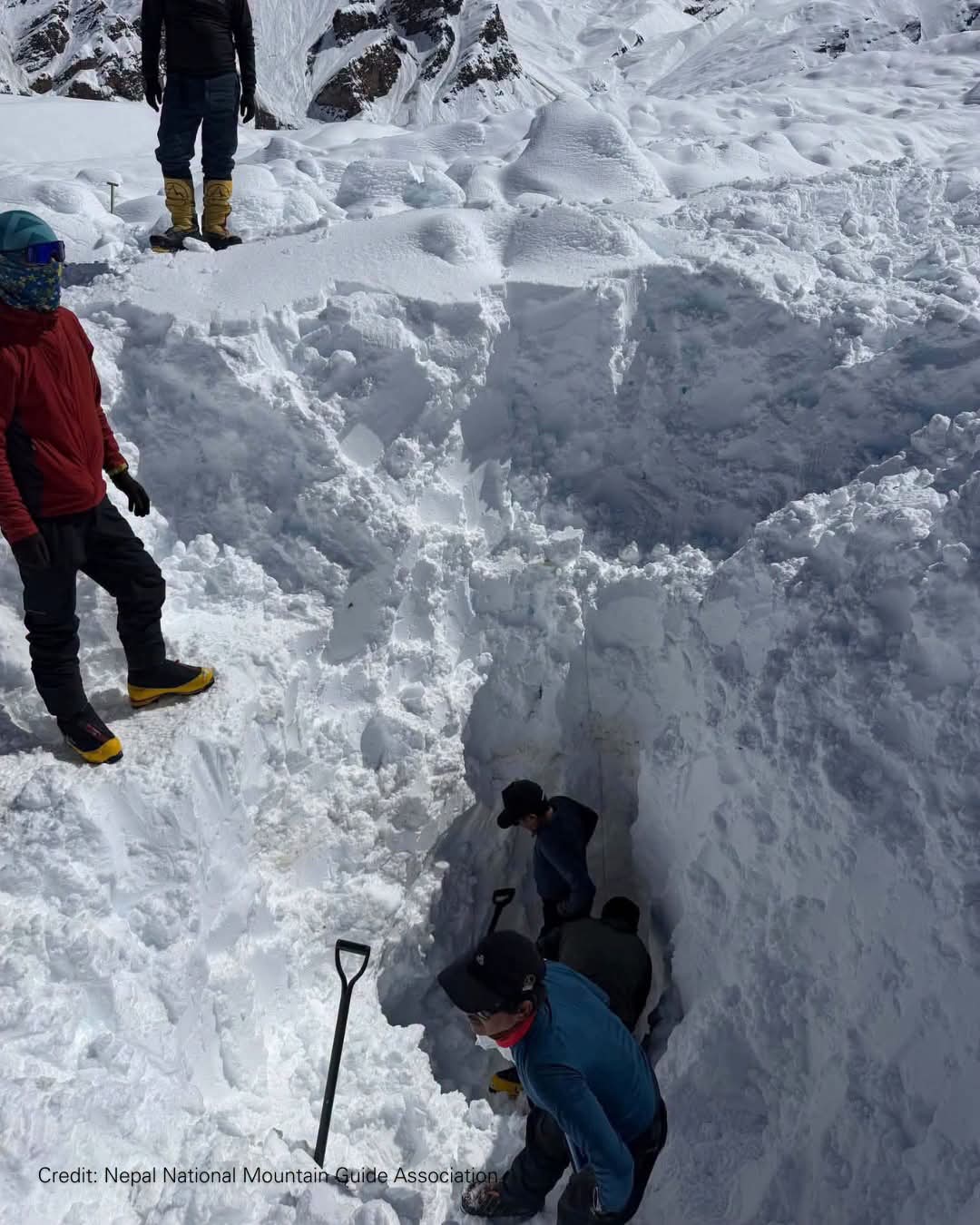
Ecosphere News | Environmental Sustainability, Climate & Development Journalism
#Nepal #ExtremeWeather #Floods #Landslides #Avalanches #HeavyRainfall #ClimateChange #DisasterRiskReduction #EarlyWarningsForAll #EarlyWarningSystems #ClimateResilience #WMO #NDRRMA #DHM #DisasterPreparedness #ClimateAction #MountainRisks #ResilientCommunities #EcosphereNews
Add specific casualty and damage figures
Clarify the latest incident count
Tighten the repeated risk messaging