Top Navigation
  • Home
  • About Us
    • Our Story
    • Our Team
    • Mission and Vision
  • Donate
    • Why Donate
    • Payment Methods
Main Navigation
  • News
    • Local
    • National
    • International
  • Development
  • Environment
    • Weather
    • Climate
    • Conservation
    • Biodiversity
    • Natural Disasters
    • Pollution & Waste
    • Energy
    • Ecology
  • Opinion
    • Expert Views
    • Editorials
    • Guest Articles
    • Youth Voices
  • Business
  • Technology
  • Profiles
  • Travels
  • Initiatives
    • Climate Education
    • Policies & Agreements
    • Resources
  • More
    • Events
    • Lifestyle
    • Multimedia
    • Research/Reports
    • Publications
  • Home
  • About Us
    • Our Story
    • Our Team
    • Mission and Vision
  • Donate
    • Why Donate
    • Payment Methods
Sustainable Development Goals Sustainable Development Goals
  • News
    • Local
    • National
    • International
  • Development
  • Environment
    • Weather
    • Climate
    • Conservation
    • Biodiversity
    • Natural Disasters
    • Pollution & Waste
    • Energy
    • Ecology
  • Opinion
    • Expert Views
    • Editorials
    • Guest Articles
    • Youth Voices
  • Business
  • Technology
  • Profiles
  • Travels
  • Initiatives
    • Climate Education
    • Policies & Agreements
    • Resources
  • More
    • Events
    • Lifestyle
    • Multimedia
    • Research/Reports
    • Publications
Search Here
Pollution & Waste
  • Home
  • Pollution & Waste
  • Transforming Waste Into Energy: A Sustainable Approach for Nepal’s Cement Industry
Transforming Waste Into Energy: A Sustainable Approach for Nepal’s Cement Industry
Ganesh Khatiwada
Ganesh Khatiwada 2024-12-22 06:13:48

Nepal's cement industry, crucial for the nation's infrastructure development, faces numerous challenges despite its vast potential. With 1.07 billion tonnes of high-quality limestone reserves, the sector produced 9.86 million tonnes of cement in 2019, while demand is projected to surge to 34.31 million tonnes by 2028. However, rising fuel costs, environmental concerns, and waste management issues threaten the industry's growth.IMG_20241222_061035-1734827217.jpg
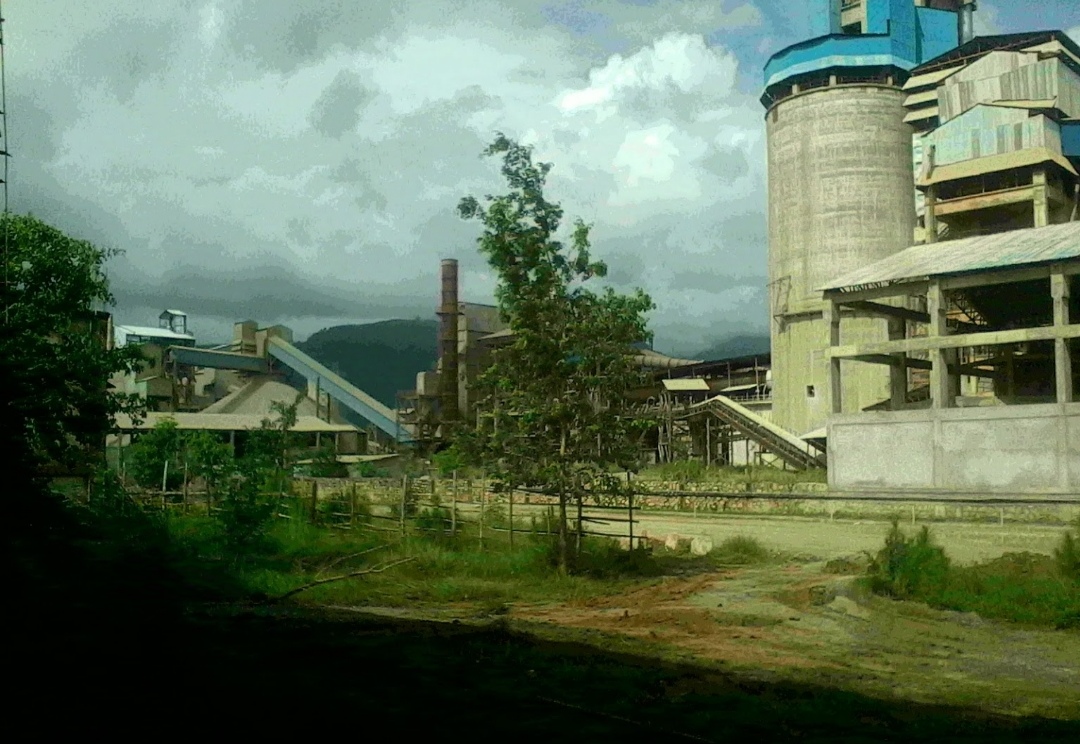
Fuel constitutes a significant cost for cement production. In fiscal year 2079/80, Nepal imported 1.38 million tonnes of coal, accounting for 30% of national energy consumption. The reliance on coal not only inflates costs but also exacerbates carbon emissions. According to Nepal's Second Nationally Determined Contributions (NDC), industrial emissions are expected to rise unless cleaner fuels and technologies are adopted.

Simultaneously, Nepal faces an escalating waste management crisis. Kathmandu Valley alone generates 1,760 tonnes of waste daily, including 74 tonnes of multilayered plastics. Non-recyclable and non-biodegradable waste pollutes landfills, making waste-to-energy solutions imperative.

Refuse-Derived Fuel (RDF), derived from processing non-recyclable waste like plastics and paper, presents a promising alternative. RDF can replace up to 45% of coal in cement production, significantly reducing costs and emissions. The Centre for Energy Studies (CES) at Tribhuvan University has already demonstrated RDF's potential in collaboration with Nepalese cement industries.

Adopting RDF aligns with Nepal’s long-term strategy to reduce carbon emissions and achieve sustainable development goals. By integrating RDF, the cement industry can cut production costs, lower CO2 emissions, and address the waste crisis. Achieving this transition will require collaboration among policymakers, industry leaders, and local communities.

If implemented successfully, RDF could not only transform Nepal’s cement sector but also establish the nation as an example of sustainable practices in South Asia.


Published Date 2024-12-22 06:13:48
Comments
More Pollution & Waste
Second Batch of WASH Volunteers Begins Emergency Preparedness Training in Kathmandu
Second Batch of WASH Volunteers Begins Emergency Preparedness Training in Kathmandu 2026-09-09 10:39:00
Tanker War in Strait of Hormuz Raises Global Environmental Alarm
Tanker War in Strait of Hormuz Raises Global Environmental Alarm 2026-09-07 08:59:32
Sisdole-Banchare Danda Waste Management: MP Ashika Tamang Takes a Strong Stand - “Let Us Hold the Meeting There”
Sisdole-Banchare Danda Waste Management: MP Ashika Tamang Takes a Strong Stand - “Let Us Hold the Meeting There” 2026-08-21 21:47:00
Humans Have Left Around 200 Tons of Debris on the Moon Since 1969
Humans Have Left Around 200 Tons of Debris on the Moon Since 1969 2026-08-06 07:29:59
CLEAN UP NEPAL Conducts Air Pollution Reduction and Low-Cost Air Quality Monitoring Interaction in Kathmandu
CLEAN UP NEPAL Conducts Air Pollution Reduction and Low-Cost Air Quality Monitoring Interaction in Kathmandu 2026-07-29 10:50:52
Kathmandu's Sahabhagita Marg Waterlogged Again, Exposing Persistent Urban Drainage Challenges
Kathmandu's Sahabhagita Marg Waterlogged Again, Exposing Persistent Urban Drainage Challenges 2026-07-19 18:04:54
Unsafe Drinking Water Found in Majority of Lamjung's Water Supply Schemes, Public Health Office Warns
Unsafe Drinking Water Found in Majority of Lamjung's Water Supply Schemes, Public Health Office Warns 2026-07-14 13:04:00
Most Loved
  • Week
  • Month
Argentina’s ‘Vanishing Sea’ Was a Rare Extreme Low Tide, Not a Global Catastrophe
Nepal Flood Disaster: Search for Survivors Continues as Thousands Remain Missing
Webinar to Examine GLOF and Tsunami-Like Flood Risks in Nepal’s High Mountains Nepal Webinar to Examine Tsunami-Like Flood Risks, Climate Change and Early Warning in the Himalayas
Australia’s Fossil-Fuel Exports, Global Warming and Nepal’s Himalayan Disaster: Who Bears the Cost?
Tanker War in Strait of Hormuz Raises Global Environmental Alarm
Argentina’s ‘Vanishing Sea’ Was a Rare Extreme Low Tide, Not a Global Catastrophe
Mustang Climate Conference to Amplify Himalayan Voices on the Global Stage
Rasuwa Flood: What Really Happened, the Human Cost, Destruction and the Road Ahead
Can Scientists Predict When Glaciers Will Collapse? Nepal’s Himalayan Disaster Raises Urgent Questions About Early Warning Systems
Nepal Launches Terai Arc Landscape Strategy and Action Plan (2026-2035)
Contact Us

News Desk

Ecosphere News
Chakupat, Lalitpur, Nepal
Phone : +977-01-5400646
Email: [email protected] www.ecospherenews.com

Sales & Marketing

Email: [email protected]
Cell Phone: 9820631466 / 9767470774
Media Details
Publisher Ecosphere News and Travels Pvt. Ltd.
DOIB Registration No. 4699-2081/2082
Editor Ganesh Khatiwada
Follow us on Twiitter

Nature’s Healing Touch: Summer River Swim Brings Peace and Joy https://t.co/J2GfWcNdj0

— Ecosphere News (@EcosphereNews) March 20, 2026
Like us on Facebook
© 2026 Ecosphere News Environmental & Developmental Issues. All Rights Reserved. Site by: SoftNEP

SoftNEP News Alert

अख्तियार स्वतन्त्र निकाय भएकाले वाइडबडि छानबिनमा अहिलेसम्‍म कुनै किसिमको राजनीतिक दबाब आएको छैन।स्वतन्त्र ढंगले काम गरिरहेका छौ।
सदस्यता लिनुहोस्