Top Navigation
  • Home
  • About Us
    • Our Story
    • Our Team
    • Mission and Vision
  • Donate
    • Why Donate
    • Payment Methods
Main Navigation
  • News
    • Local
    • National
    • International
  • Development
  • Environment
    • Weather
    • Climate
    • Conservation
    • Biodiversity
    • Natural Disasters
    • Pollution & Waste
    • Energy
    • Ecology
  • Opinion
    • Expert Views
    • Editorials
    • Guest Articles
    • Youth Voices
  • Business
  • Technology
  • Profiles
  • Travels
  • Initiatives
    • Climate Education
    • Policies & Agreements
    • Resources
  • More
    • Events
    • Lifestyle
    • Multimedia
    • Research/Reports
    • Publications
  • Home
  • About Us
    • Our Story
    • Our Team
    • Mission and Vision
  • Donate
    • Why Donate
    • Payment Methods
Sustainable Development Goals Sustainable Development Goals
  • News
    • Local
    • National
    • International
  • Development
  • Environment
    • Weather
    • Climate
    • Conservation
    • Biodiversity
    • Natural Disasters
    • Pollution & Waste
    • Energy
    • Ecology
  • Opinion
    • Expert Views
    • Editorials
    • Guest Articles
    • Youth Voices
  • Business
  • Technology
  • Profiles
  • Travels
  • Initiatives
    • Climate Education
    • Policies & Agreements
    • Resources
  • More
    • Events
    • Lifestyle
    • Multimedia
    • Research/Reports
    • Publications
Search Here
Development
  • Home
  • Development
  • Nepal’s Growing Electric Vehicle Market: Opportunities and Challenges
Nepal’s Growing Electric Vehicle Market: Opportunities and Challenges
Ecosphere News Correspondent
Ecosphere News Correspondent 2024-12-10 18:44:43

Kathmandu, December 10, 2024

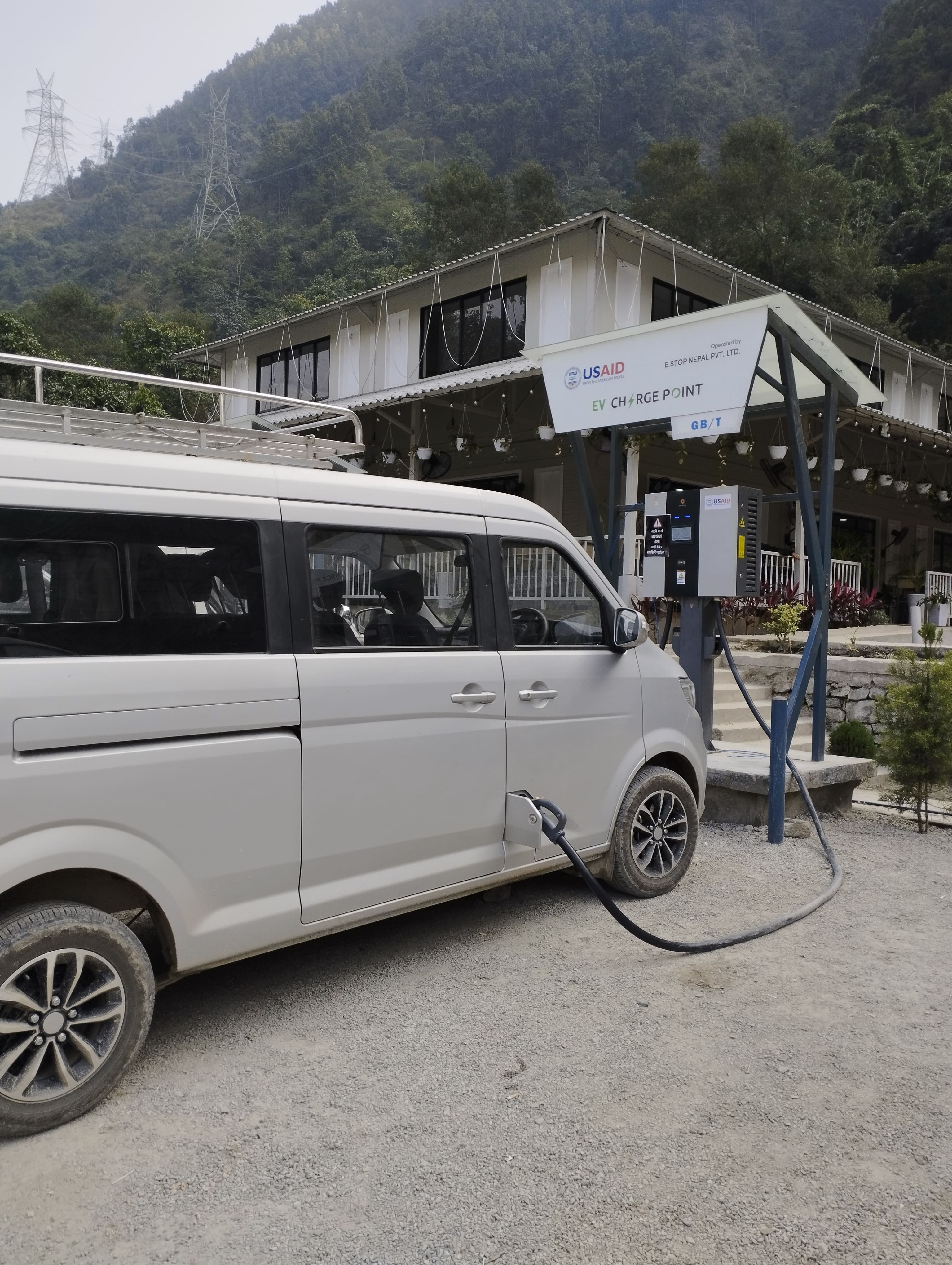
The electric vehicle (EV) market in Nepal is witnessing rapid growth, signaling a transformative shift in the country’s transportation sector. With around 45,000 EVs currently on the roads and sales more than doubling in recent years, the fiscal year 2022–23 marked a milestone with the import of 4,050 electric four-wheelers. This growth has been fueled by several unique advantages and ongoing challenges shaping Nepal’s EV landscape.IMG_20241210_130924-1733835463.jpg
The Rise of EVs in Nepal

Nepal’s EV market is driven by a combination of economic and environmental factors. One key incentive is the country’s progressive tax policy, which imposes a significantly lower import tax on EVs (approximately 10%) compared to internal combustion engine (ICE) vehicles, which face a staggering 238% import tax. This makes EVs more affordable and appealing to consumers.

Additionally, Nepal’s reliance on hydropower, which accounts for over 90% of its electricity production, positions EVs as a sustainable and environmentally friendly alternative to fossil-fuel-powered vehicles. The cost-efficiency of operating EVs also plays a major role in their adoption. For instance, an EV can cover 100 miles on just 30 kWh of electricity, while traditional fuel-powered vehicles incur much higher operational costs.

Challenges in the EV Transition

Despite these advantages, Nepal’s transition to electric mobility is not without hurdles. The country currently has only 250 charging stations, which is inadequate to meet the growing demand. To address this, the Nepal Electricity Authority (NEA) plans to install 500 additional charging stations across the country. However, infrastructure expansion is hindered by policy inconsistencies and fluctuating tax regulations. While entry-level EVs continue to benefit from favorable tax rates, higher-end EVs face increased taxes, creating uncertainty among potential buyers.

Public awareness and "range anxiety" also pose significant barriers to EV adoption. Many consumers are hesitant due to concerns about the availability and reliability of charging stations, particularly in rural areas. Additionally, limited after-sales services for EVs further discourage buyers.

EVs in Public Transportation

The integration of EVs into Nepal’s public transportation system is gaining momentum. Several cities, including Kathmandu, Pokhara, and Nepalgunj, have introduced electric buses. In a noteworthy policy shift, Bagmati Province now mandates that all newly registered taxis must be electric. While these initiatives highlight the growing acceptance of EVs in public transport, more investment is needed to expand the reach and reliability of commercial electric vehicles.

Future Prospects

Nepal’s EV market holds immense potential, given the alignment of environmental benefits, economic savings, and government incentives. However, achieving sustainable growth requires addressing existing challenges such as infrastructure gaps, policy ambiguities, and consumer apprehension. With strategic investments and a clear roadmap, Nepal could emerge as a regional leader in electric mobility, setting an example for other countries transitioning to greener transportation systems.

As the EV revolution accelerates, stakeholders across the government, private sector, and civil society must work collaboratively to overcome barriers and unlock the full potential of electric mobility in Nepal.


Published Date 2024-12-10 18:44:43
Comments
More Development
Asia-Pacific Conference of Indigenous Women and Girls with Disabilities Concludes with Call for Stronger Regional Solidarity
Asia-Pacific Conference of Indigenous Women and Girls with Disabilities Concludes with Call for Stronger Regional Solidarity 2026-09-26 15:25:00
UN SDG Moment Calls for Renewed Global Commitment as Leaders Gather for General Assembly
UN SDG Moment Calls for Renewed Global Commitment as Leaders Gather for General Assembly 2026-09-19 13:16:00
Pokhara Mayor Dhana Raj Acharya Honoured for Visionary Leadership in Urban Development and Public Service
Pokhara Mayor Dhana Raj Acharya Honoured for Visionary Leadership in Urban Development and Public Service 2026-09-13 18:09:00
Nepal Announces Monthly Cash Support for Families Displaced by Rasuwa Floods
Nepal Announces Monthly Cash Support for Families Displaced by Rasuwa Floods 2026-09-12 21:37:05
Flood-Damaged Trishuli Suspension Bridge Under Repair as Access Routes Are Restored
Flood-Damaged Trishuli Suspension Bridge Under Repair as Access Routes Are Restored 2026-09-12 13:10:28
Krishnabhir Road Restoration Accelerated as Authorities Deploy 10 Machines After Rasuwa Flood
Krishnabhir Road Restoration Accelerated as Authorities Deploy 10 Machines After Rasuwa Flood 2026-09-10 12:41:06
Nepal Flood Disaster: Search for Survivors Continues as Thousands Remain Missing
Nepal Flood Disaster: Search for Survivors Continues as Thousands Remain Missing 2026-09-07 06:06:00
Most Loved
  • Week
  • Month
Youth Dialogue Highlights Urgent Need for Climate Justice and Disaster Preparedness
Wildfire Threatens Colombia’s Historic Villa de Leyva as El Niño Raises Fire Risk
Nepal’s $20 Million Climate Finance Request Puts Loss and Damage Fund to a Crucial Test
Nepal Stakeholders to Review Progress and Plan Next Steps for Sustainable Animal and Aquatic Food Systems
UN SDG Moment Calls for Renewed Global Commitment as Leaders Gather for General Assembly
Argentina’s ‘Vanishing Sea’ Was a Rare Extreme Low Tide, Not a Global Catastrophe
Rasuwa Flood: What Really Happened, the Human Cost, Destruction and the Road Ahead
Rasuwa-Bhotekoshi Flood: UN Reports 1,399 Deaths and More Than 5,100 People Still Missing
Australia’s Fossil-Fuel Exports, Global Warming and Nepal’s Himalayan Disaster: Who Bears the Cost?
Can Scientists Predict When Glaciers Will Collapse? Nepal’s Himalayan Disaster Raises Urgent Questions About Early Warning Systems
Contact Us

News Desk

Ecosphere News
Chakupat, Lalitpur, Nepal
Phone : +977-01-5400646
Email: [email protected] www.ecospherenews.com

Sales & Marketing

Email: [email protected]
Cell Phone: 9820631466 / 9767470774
Media Details
Publisher Ecosphere News and Travels Pvt. Ltd.
DOIB Registration No. 4699-2081/2082
Editor Ganesh Khatiwada
Follow us on Twiitter

Nature’s Healing Touch: Summer River Swim Brings Peace and Joy https://t.co/J2GfWcNdj0

— Ecosphere News (@EcosphereNews) March 20, 2026
Like us on Facebook
© 2026 Ecosphere News Environmental & Developmental Issues. All Rights Reserved. Site by: SoftNEP

SoftNEP News Alert

अख्तियार स्वतन्त्र निकाय भएकाले वाइडबडि छानबिनमा अहिलेसम्‍म कुनै किसिमको राजनीतिक दबाब आएको छैन।स्वतन्त्र ढंगले काम गरिरहेका छौ।
सदस्यता लिनुहोस्