Kathmandu, Nepal - In a historic and unprecedented political shift, Balendra Shah has officially been sworn in as the 43rd Prime Minister of Nepal, marking a generational transition in the country’s leadership. The appointment was made by President Ram Chandra Poudel in accordance with Article 76(1) of the Constitution.
At just 35 years old, Prime Minister Shah-widely known as “Balen”-represents a significant departure from Nepal’s long-dominated political establishment. His rise reflects a growing demand among citizens, particularly youth, for transparent governance, efficiency, and systemic reform.
A Mandate for Change
The recent general elections delivered a decisive victory to the Rastriya Swatantra Party (RSP), which secured 182 seats in the House of Representatives. This strong majority provides the new government with substantial legislative leverage to implement reforms and accelerate policy decisions, although constitutional amendments will still require broader support in the National Assembly.
Political analysts interpret this outcome as a clear public mandate for structural reform across state institutions. With nearly 42.5% of Nepal’s population comprising youth, the election results highlight a shift toward leaders perceived as more aligned with modern governance and service delivery expectations.
From Local Governance to National Leadership
Shah’s tenure as Mayor of Kathmandu Metropolitan City played a pivotal role in shaping his political credibility. His emphasis on efficient public service, urban management, and anti-corruption measures resonated strongly with urban voters. These achievements have now elevated expectations for similar reforms at the national level.
Lessons from Political Instability
Nepal’s modern political history has been marked by frequent government changes and internal conflicts. Since 1990, the country has witnessed over 30 governments, many of which collapsed due to intra-party disputes and coalition instability.
Notably, in 2002, tensions between then Prime Minister Sher Bahadur Deuba and party leader Girija Prasad Koirala led to the dissolution of parliament and a split within the Nepali Congress. More recently, the 2021 collapse of a near two-thirds majority government further underscored the risks of leadership conflicts.
These precedents serve as cautionary examples for the new administration, particularly as it navigates internal party dynamics and public expectations.
Balancing Reform and Stability
While the electorate has prioritized development and service delivery over ideological alignment, experts emphasize the importance of a coherent political vision to ensure long-term stability. Coordination between Prime Minister Shah and RSP leadership, including party chair Rabi Lamichhane, will be critical in maintaining unity and sustaining governance momentum.
A Defining Moment for Nepal
Prime Minister Shah assumes office at a time of both high optimism and significant challenges. From reforming bureaucratic systems to addressing economic pressures and public expectations, the road ahead is complex.
However, this transition is widely seen as a turning point-signaling the decline of traditional political dominance and the emergence of a new generation of leadership.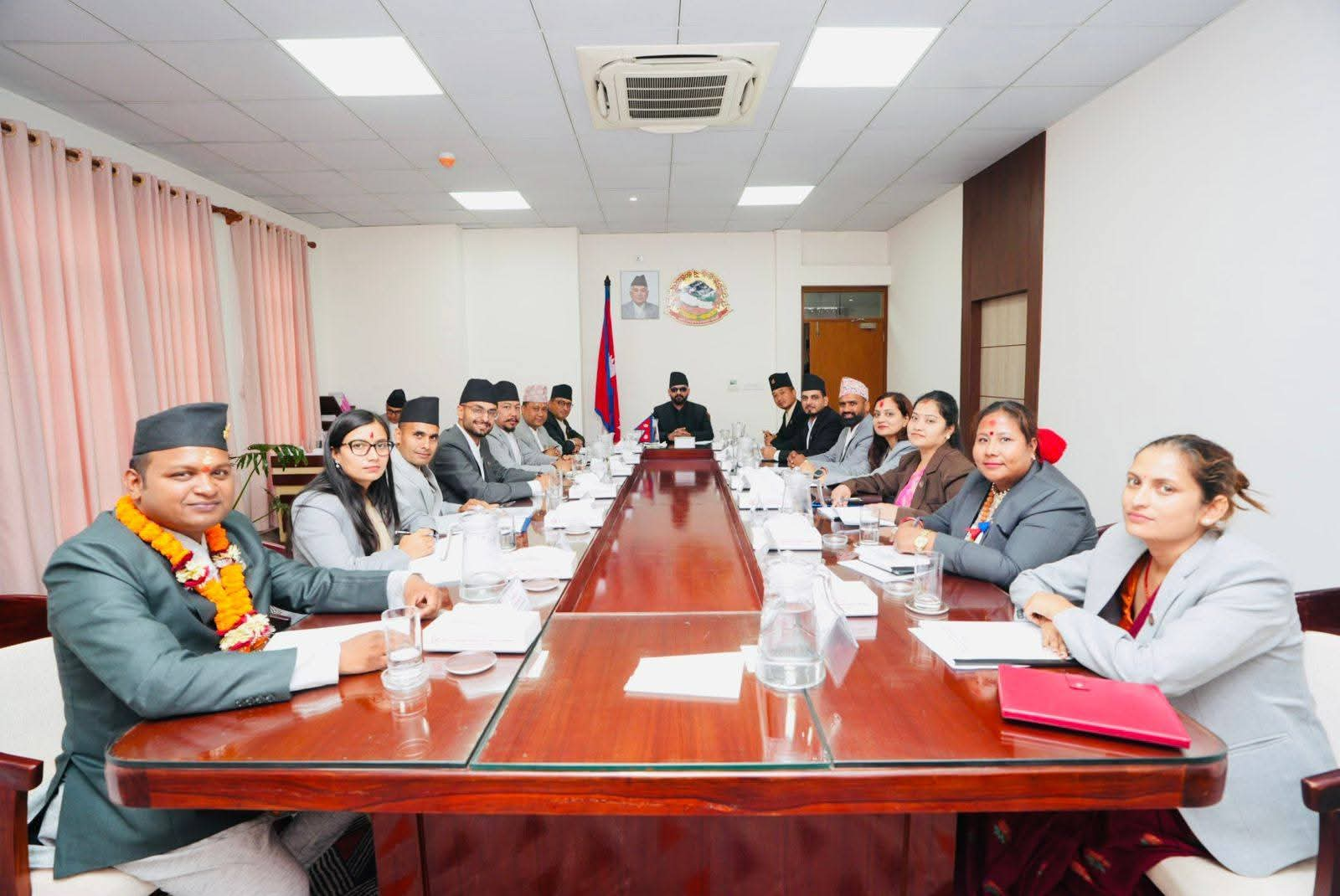
As Nepal enters this new chapter, the focus now shifts from electoral promise to tangible delivery.
#NepalPolitics #BalenShah #PrimeMinisterNepal #YouthLeadership #GovernanceReform #RSP #PoliticalTransition #NepalNews #EcosphereNews #Democracy #PublicMandate #NewNepal