Kathmandu - Healthy ecosystems can serve as natural protective barriers against floods, droughts, landslides and other hazards, highlighting the importance of conserving and restoring nature as part of disaster risk reduction, according to the United Nations Environment Programme (UNEP).
UNEP emphasizes Ecosystem-based Disaster Risk Reduction (Eco-DRR)-an approach that uses the protection, restoration and sustainable management of ecosystems to reduce disaster risks and strengthen community resilience. The degradation of forests, wetlands, drylands and coastal and marine ecosystems can increase disaster risks and make communities more vulnerable to hazards.
Healthy ecosystems can provide important natural services. Wetlands, for example, can absorb excess water and release it gradually, helping to reduce the severity of flooding. Forests and other well-managed landscapes can contribute to slope stability and water regulation, while coastal ecosystems such as mangroves can provide natural protection against flooding and storms.
UNEP says ecosystem-based approaches should be integrated into national and local disaster risk reduction, climate adaptation and development planning. Such approaches can provide multiple benefits at the same time-including protecting people and infrastructure, conserving biodiversity, improving water security and strengthening long-term climate resilience.
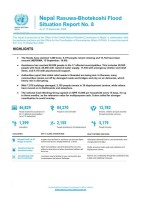
The message is particularly relevant for climate-vulnerable countries such as Nepal, where communities face growing risks from floods, landslides, droughts, extreme rainfall and climate-related hazards. Recent devastating floods in Nepal have further underscored the importance of combining early warning systems, resilient infrastructure and emergency preparedness with the protection and restoration of forests, watersheds, wetlands and other natural systems. Nepal's August 2026 disaster has claimed at least 1,455 lives, with more than 5,000 people still reported missing, while recovery needs are estimated at nearly US$5 billion.
Rather than viewing ecosystems only as environmental assets, Eco-DRR recognizes nature as part of disaster-risk management. Protecting ecosystems today can help reduce exposure and vulnerability tomorrow-benefiting both people and nature.
Ecosphere News
Environment | Climate | Development | Sustainability
For more information, UNEP's resources on ecosystem-based disaster risk reduction are available through UNEP - Ecosystem-based Disaster Risk Reduction.
#EcosphereNews #EcosystemBasedDisasterRiskReduction #EcoDRR #NatureBasedSolutions #DisasterRiskReduction #ClimateResilience #EcosystemRestoration #ClimateAction #Biodiversity #FloodRisk #LandslideRisk #DroughtResilience #EnvironmentalProtection #SustainableDevelopment #Nepal #ClimateChange #ResilientCommunities #UNEP