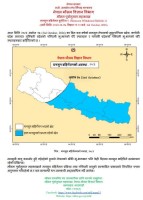
Kathmandu: Nepal is taking a significant step toward strengthening its climate finance framework through the development of a National Carbon Finance Handbook, a comprehensive guide designed to help policymakers, regulators, financial institutions, private sector actors, civil society, and project developers better understand and engage with carbon markets and carbon finance mechanisms.
The initiative comes as climate change continues to intensify globally due to rising greenhouse gas emissions. Although Nepal contributes only a small share of global emissions, the country remains highly vulnerable to climate impacts because of its fragile mountain ecosystems, dependence on climate-sensitive sectors, and limited adaptive capacity. Nepal has committed to climate action through its Nationally Determined Contribution (NDC 3.0), the National Adaptation Plan, and its Long-Term Strategy for Net-Zero Emissions, which aims to achieve net-zero carbon emissions by 2045.
The handbook explains key concepts of carbon pricing, including carbon taxes, emissions trading systems (ETS), and carbon markets. It highlights how carbon markets enable verified emission reductions to be traded, mobilizing finance for cost-effective climate mitigation projects while supporting national and international climate commitments.
The document also underscores the growing importance of robust Measurement, Reporting and Verification (MRV) systems, transparent governance, financing mechanisms, and compliance procedures as carbon markets continue to evolve under the framework of the Paris Agreement.
A major policy milestone highlighted in the handbook is Nepal's Carbon Trade Regulations, 2082, which establish a legal framework for both domestic and international carbon trading. The regulations are expected to improve clarity on implementation roles across government agencies, the private sector, and financial institutions while creating new opportunities to mobilize climate finance.
The handbook is being developed by the Ministry of Agriculture, Forests and Environment (MoAFE) with technical support from the United Nations Development Programme (UNDP). According to the document, it builds on Nepal's ongoing carbon finance readiness initiatives, including technical assessments, capacity-building programmes, and institutional strengthening efforts. The overarching objective is to provide practical national guidance for developing carbon projects, accessing carbon market opportunities, and accelerating Nepal's transition toward a sustainable, low-carbon economy.
#EcosphereNews #ClimateChange #CarbonFinance #CarbonMarkets #CarbonTrading #Nepal #NetZero2045 #ClimateAction #SustainableDevelopment #GreenFinance #UNDP #MoAFE #ParisAgreement #NDC3 #EnvironmentalGovernance