Kathmandu, Nepal - Stakeholders have stressed the urgent need to strengthen Nepal’s disaster early warning systems by ensuring that warnings are classified according to the severity of potential hazards and communicated to the public in simple, clear and easily understandable language.
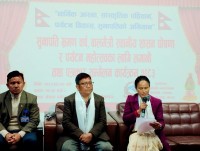
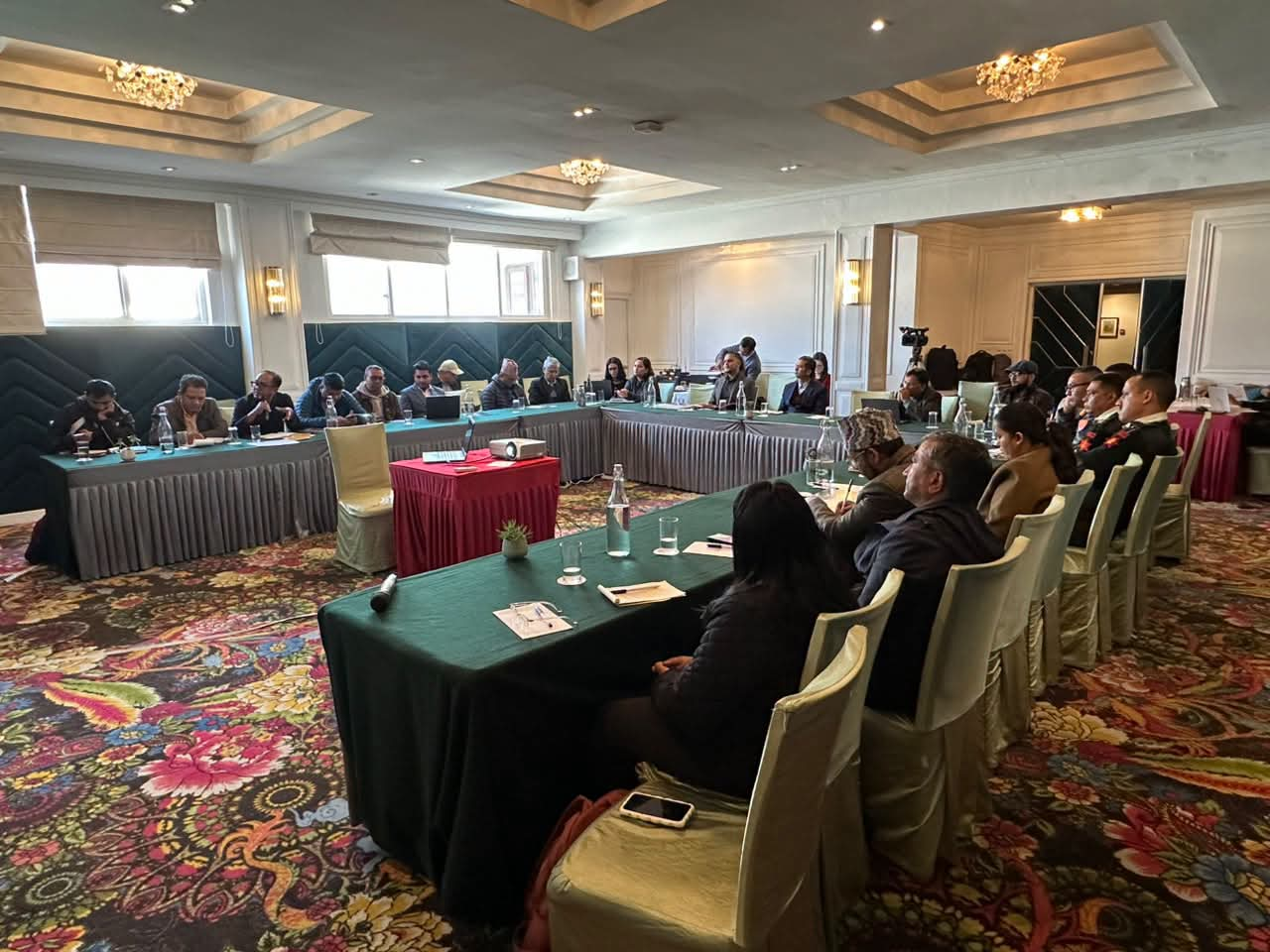
The call was made at a workshop titled “Early Warning Systems in Disasters, Including the Rasuwa–Bhotekoshi Floods: Experiences, Lessons Learned and Priorities,” which concluded today with discussions on improving disaster preparedness, emergency communication and coordination among relevant institutions.
Speaking at the workshop, Shiv Kumar Pokhrel, Under-Secretary at the Ministry of Information and Communications, emphasised that disaster warnings should reflect the seriousness of the potential threat so that people can understand the level of risk and take appropriate action. He also highlighted the importance of establishing a dedicated emergency communication team to disseminate accurate and official information during disasters.
Pokhrel further noted that essential communication infrastructure, including telephone networks, electricity systems, radio and television transmission towers, can also be damaged during disasters. He stressed that protecting these facilities is crucial to maintaining communication and ensuring the timely flow of information during emergencies.
Similarly, Rajendra Sharma, Under-Secretary at the National Disaster Risk Reduction and Management Authority (NDRRMA), observed that although people in downstream areas received warnings during the Rasuwa floods, some did not take the information seriously, contributing to human casualties. His remarks highlighted that effective early warning systems must go beyond issuing alerts and ensure that communities understand, trust and respond appropriately to the warnings they receive.
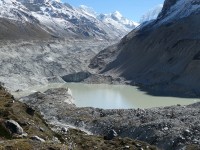
Addressing the challenges of monitoring hazards in the Himalayan region, Binod Parajuli, Senior Hydrologist at the Centre for Hydrology and Meteorology, informed participants that discussions were underway to strengthen cooperation with neighbouring China to access information on weather conditions and glacial floods in the Himalayan region.
Meanwhile, Sanjiv Adhikari, a meteorologist at the Department of Hydrology and Meteorology (DHM), said the department had received feedback that its warning messages were often difficult for ordinary people to understand because of technical terminology. In response, the department has simplified its alert messages and SMS notifications, making them shorter and easier for the public to understand.
Dr Janardan Bista, Chief of News at Radio Nepal, representing Public Service Broadcasting Nepal, highlighted the role of public broadcasters during emergencies. He said that Radio Nepal and Nepal Television prioritise disaster-related information and news, even suspending regular programmes when necessary to ensure that critical warnings reach the public.
Participants also raised concerns about the increasing number of notifications people receive on their mobile phones, which can reduce public attention towards important alerts. They proposed developing a distinctive sound or dedicated alert tone for disaster warnings so that people can immediately recognise emergency messages and distinguish them from routine notifications.
The discussions underscored an important lesson from recent disasters in Nepal: an early warning system is effective only when information reaches the right people at the right time, is communicated in language they understand, and leads to timely protective action.
As Nepal faces growing exposure to climate-related hazards, including floods, landslides and glacial lake outburst floods, strengthening risk communication, protecting critical communication infrastructure, improving cross-border information-sharing and building public awareness are essential for reducing disaster risks and saving lives.
The workshop brought renewed attention to the importance of connecting scientific forecasting, institutional coordination, accessible communication and community-level preparedness to build a more disaster-resilient Nepal.
#EcosphereNews #DisasterRiskReduction #EarlyWarningSystems #ClimateResilience #RasuwaFloods #BhotekoshiFloods #FloodRiskManagement #GlacialFloods #DisasterPreparedness #ClimateChange #RiskCommunication #CommunityResilience #Nepal #SendaiFramework